
Last updated September 24, 2026
Free in-home measure and quote - PGT, CGI and CWS impact lines compared on your actual openings, style by style
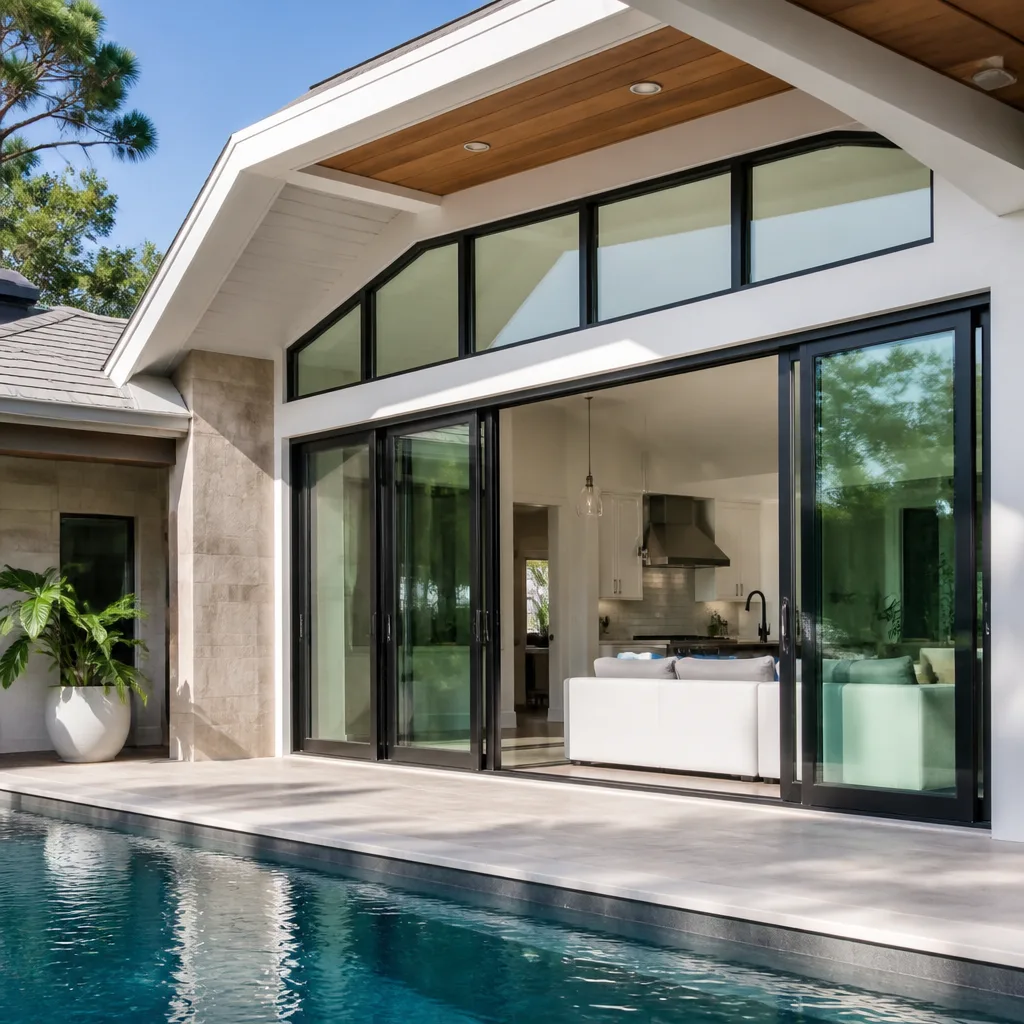

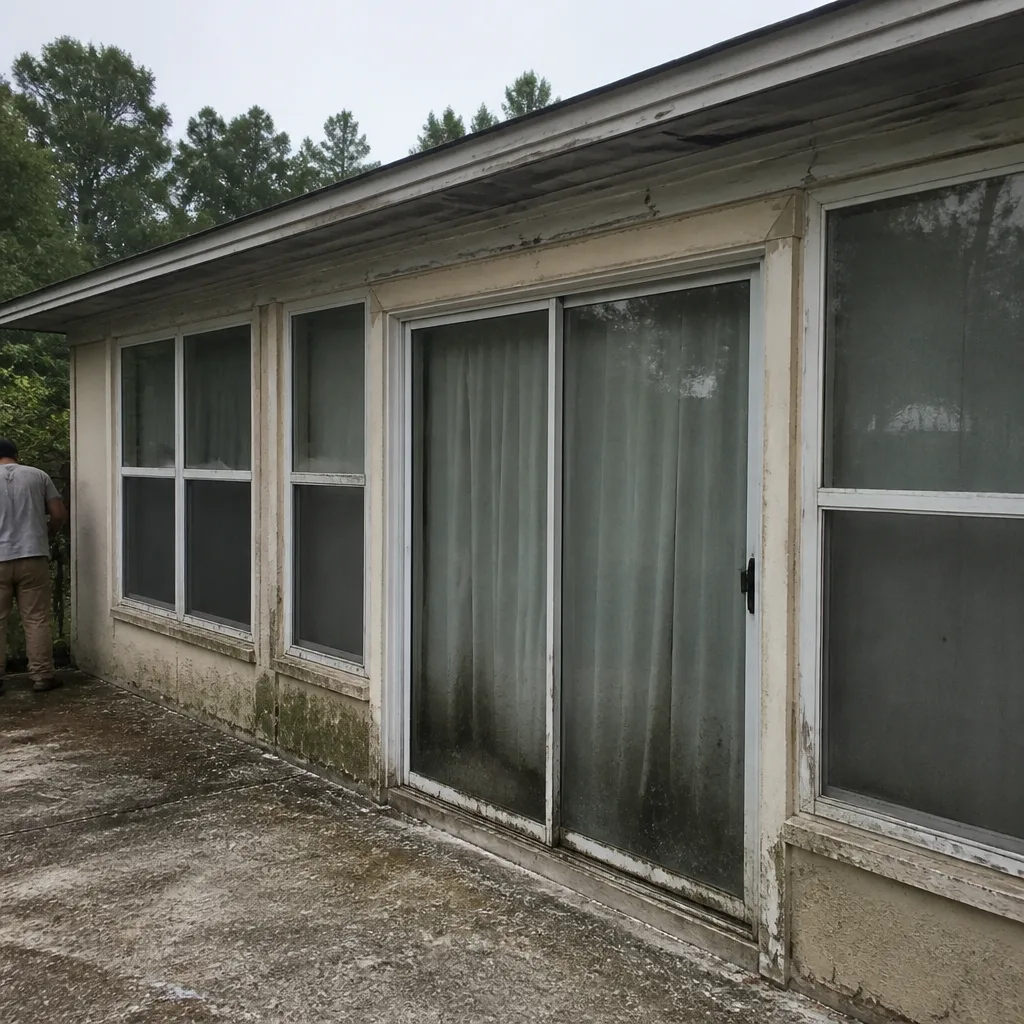 Before
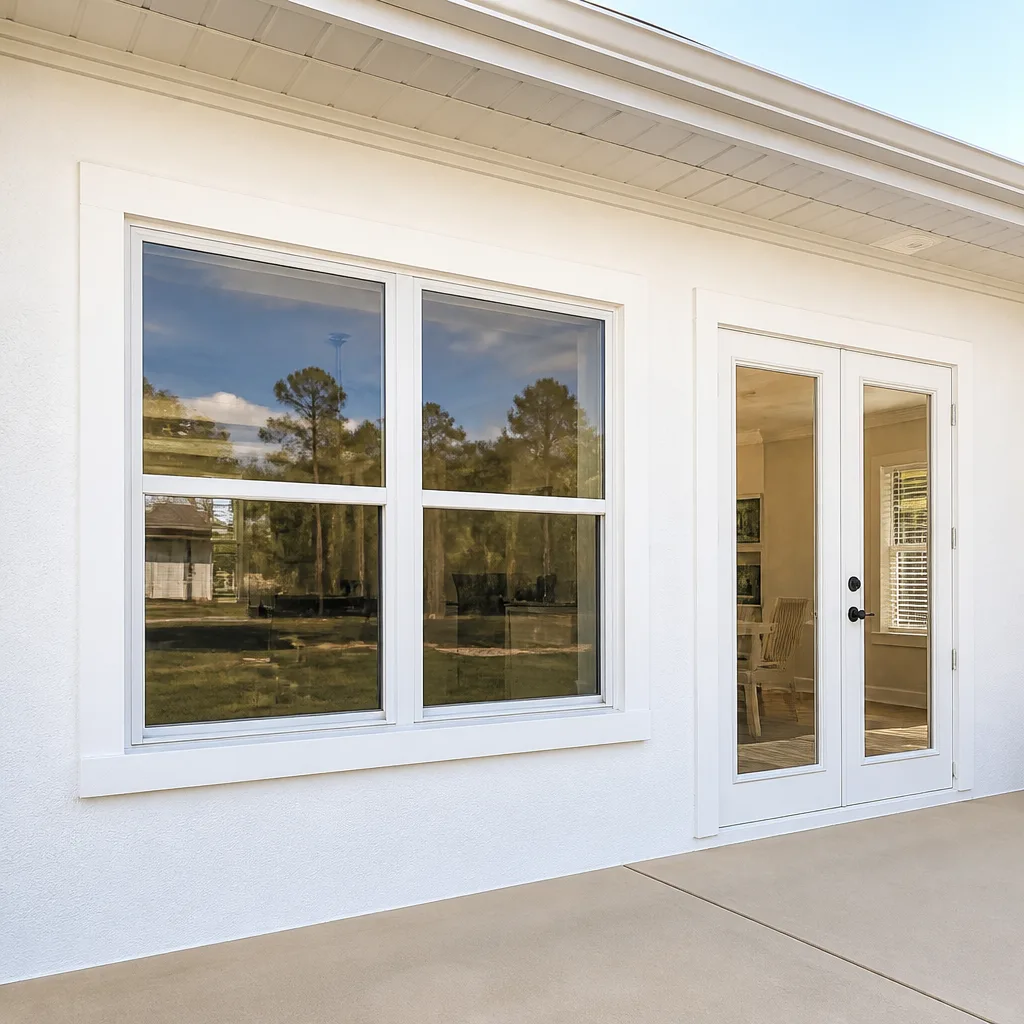 After
After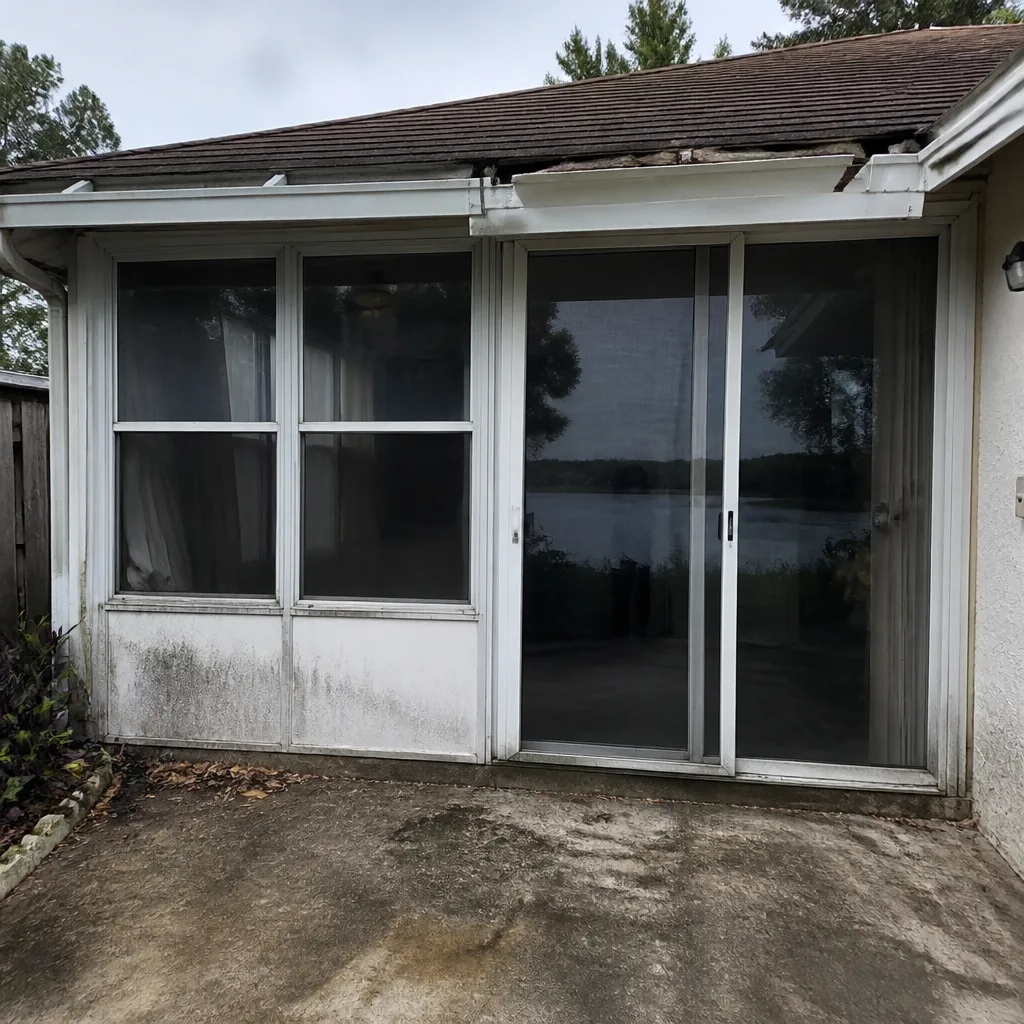 Before
 After
After Before
 After
AfterWindows & Doors Warning Signs: A Three Lakes Homeowner’s Reference Guide
A window that sweats condensation on its interior surface in Three Lakes is not a humidity problem. It is a failed insulated glazing unit seal, and in South Florida’s climate that seal failure typically appears 18 to 36 months before the glass itself begins to delaminate, giving homeowners a repair window most never use. National guides written for freeze-thaw climates miss this entirely. They warn of ice jacking and sash warping while our openings fail from pressure cycling, salt-air corrosion, and solar gain - a completely different failure sequence with its own warning signs, timelines, and costs. This guide catalogs what we’ve documented across 18,000+ openings since 2012: each warning sign, its specific cause, the timeline to functional failure, and the dollar cost of addressing it at each stage.
Quick Answer
The warning signs that windows and doors in Three Lakes show before they fall into three urgency tiers. Immediate structural concerns include cracked frames and failed anchors. Near-term failures show as seal degradation, hardware binding, and glazing tape separation. Deferred maintenance covers cosmetic corrosion and minor sealant shrinkage. Caught early, most issues cost $180 to $650 to correct. Left to progress, the same underlying failures generate replacement invoices of $2,800 to $8,500 per opening.
Table of Contents
- How We Classify Warning Signs by Urgency
- Immediate Structural Concerns: Cracked Frames and Failed Anchors
- Near-Term Failures: Seal Degradation and Hardware Binding
- Deferred Maintenance: What You Can Schedule
- Three Warning Signs Commonly Misattributed to Other Systems
- Impact-Window-Specific Warning Signs
- What Each Warning Sign Costs at Each Stage
- Common Mistakes to Avoid
- When to Call a Professional
- Frequently Asked Questions
 Before
 After
AfterHow We Classify Warning Signs by Urgency
Not every warning sign demands the same response. We’ve organized what we see in Three Lakes homes into three tiers based on the progression speed of the underlying failure and the cost delta between early correction and late replacement.
Tier 1 - Immediate structural concern. These are safety and security risks. The opening’s ability to resist wind load is compromised, or the assembly is no longer secured to the structure. Examples: cracked frame members, failed or corroded anchor bolts, shattered impact laminate with exposed glass. Timeline to functional failure: immediate to 72 hours. Cost to correct early: $340 to $890. Cost if delayed: full replacement at $4,200 to $8,500 per opening.
Tier 2 - Near-term failure. The component is degrading and will reach functional failure within 6 to 18 months. The opening still performs its basic function but with measurable performance loss. Examples: IGU seal failure with interior condensation, multi-point lock drag, glazing tape separation, frame fastener corrosion telegraphing through drywall. Cost to correct early: $180 to $650. Cost if delayed: $2,800 to $5,400 per opening.
Tier 3 - Deferred maintenance. Cosmetic or minor functional degradation that does not threaten performance in the near term but will accelerate other failures if neglected. Examples: minor sealant shrinkage at the perimeter, surface corrosion on hardware, slight frame chalking from UV exposure. Cost to correct: $120 to $380. Cost if neglected for 24+ months: the underlying exposure accelerates Tier 2 failures, adding $800 to $1,400 to eventual replacement costs.
This tier system is how we structure every measured survey we deliver to Three Lakes homeowners. The customer keeps the document, and the written quote cannot differ from it - Haven Clause 1.
Immediate Structural Concerns: Cracked Frames and Failed Anchors
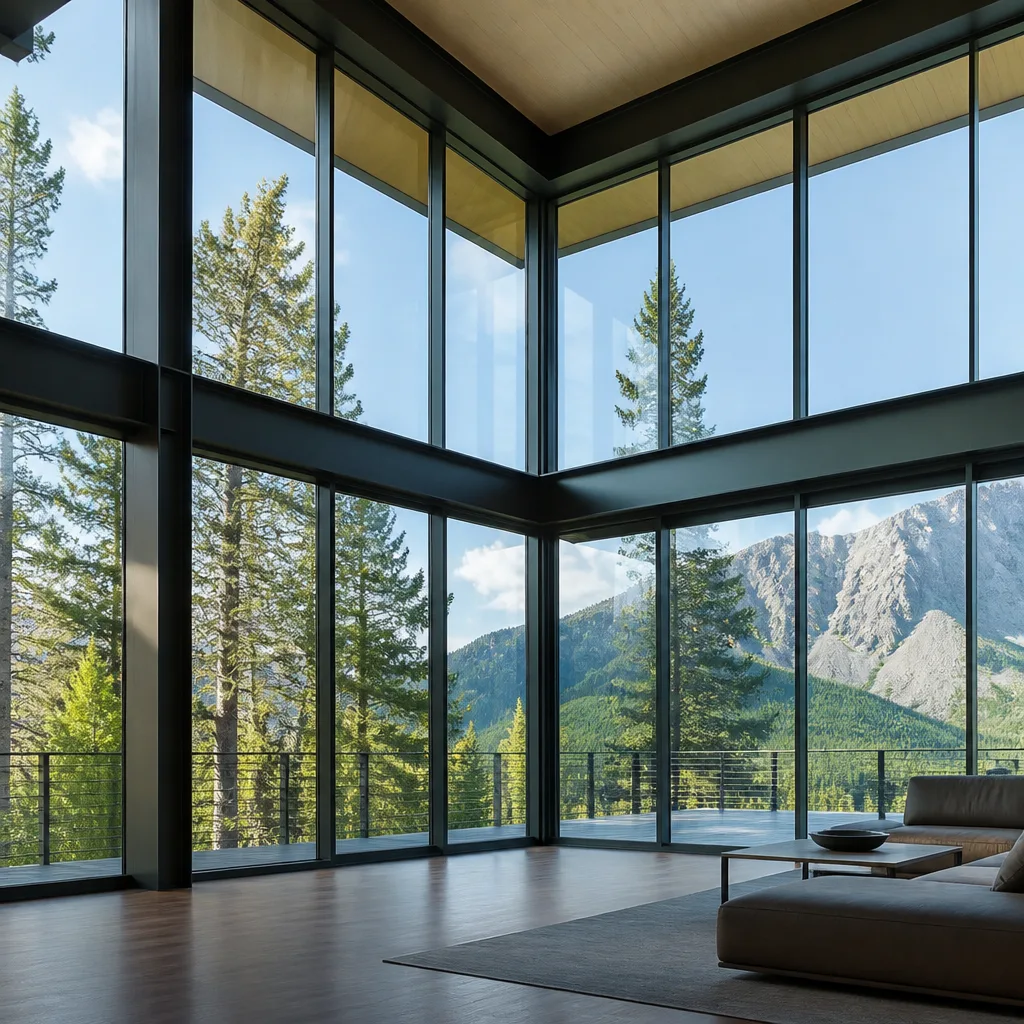
Cracked vinyl or aluminum frame members in Three Lakes rarely result from impact damage. More commonly, we find them at the mullion joints of large combination units where thermal expansion cycling has stressed the factory weld or mechanical joint beyond its fatigue limit. South Florida’s daily temperature swing of 15 to 22 degrees, repeated 300+ days per year, generates more expansion-contraction cycles than a Minneapolis window sees in a decade of freeze-thaw.
The critical diagnostic distinction: a crack that runs parallel to the frame length is typically cosmetic surface crazing from UV degradation. A crack that crosses the frame section, especially at a corner or mullion, is structural. The latter allows water intrusion into the hollow chamber, which in our climate means mold growth within 10 to 14 days and structural rot of the wood buck within 60 to 90 days if the opening is wood-framed.
Failed anchors present differently depending on the original installation method. Pre-2017 installations in Three Lakes often used plastic expansion anchors in CMU block, which degrade from UV exposure at the embedment depth. We document this with a torque test during our measured survey: if the frame pulls away from the substrate under 15 lb-ft of pressure, the anchor has failed. Post-2017 Florida Building Code requires stainless steel Tapcon-style fasteners with minimum 1.5-inch embedment, but we still find non-compliant retrofits.
What to document before calling:
- Photograph the crack from inside and outside, with a ruler or coin for scale
- Check for frame movement by applying gentle pressure at the corner
- Look for water staining on interior drywall directly below the opening
- Note whether the crack appeared after a named storm or gradually
Replacement of a cracked frame member with proper anchoring runs $4,200 to $6,800 for a standard residential opening, depending on whether the wood buck requires replacement. Repair of anchor failure without frame damage: $340 to $580.
Near-Term Failures: Seal Degradation and Hardware Binding
IGU seal failure is the warning sign most frequently misdiagnosed in Three Lakes. Homeowners see condensation between the panes and assume high indoor humidity. They run dehumidifiers, adjust AC setpoints, even install exhaust fans - none of which address the actual failure.
The diagnostic test is simple and conclusive. Seal failure produces condensation that appears on the interior surface of the exterior pane, visible when you stand inside and look at an angle. The moisture is trapped in the air space, not on the room-facing surface. In Three Lakes, this condensation typically appears first in morning hours when the exterior pane is coolest from overnight radiation. By midday, solar gain often evaporates it, which is why homeowners report “it comes and goes.”
The timeline from first visible condensation to glass delamination is 18 to 36 months in our climate, shorter than the 5 to 7 years typical in temperate zones. The acceleration comes from salt-air intrusion through the breached seal, which corrodes the spacer bar and compromises the desiccant. Once the desiccant is saturated, the IGU enters rapid degradation. We’ve documented this progression in units from ES Windows and ECO Window Systems installed between 2015 and 2019 - the seal technology of that period had a known vulnerability to coastal UV-salt combined exposure.
Multi-point lock drag is the second near-term failure we flag routinely. A properly functioning multi-point lock on a patio door or entry door engages with light, even pressure across all locking points. When the homeowner must lift the handle with increasing force, or when one or more points fail to engage audibly, the issue is rarely the lock mechanism itself. More commonly, the door sash has settled on its hinges or rollers, throwing the locking points out of alignment with the keepers in the frame.
The specific component: the adjustable hinge pin or roller carriage has worn or corroded, allowing the sash to drop 1/8 to 3/16 inch. This is enough to misalign a multi-point system. In Three Lakes, we see this accelerated by salt-air corrosion of the adjustment mechanism itself - a maintenance item most national guides omit entirely.
Correction cost for IGU replacement: $380 to $650 for standard sizes, $520 to $890 for custom geometries. Multi-point lock realignment: $180 to $340. Full hardware replacement if adjustment is no longer possible: $480 to $720.
Deferred Maintenance: What You Can Schedule
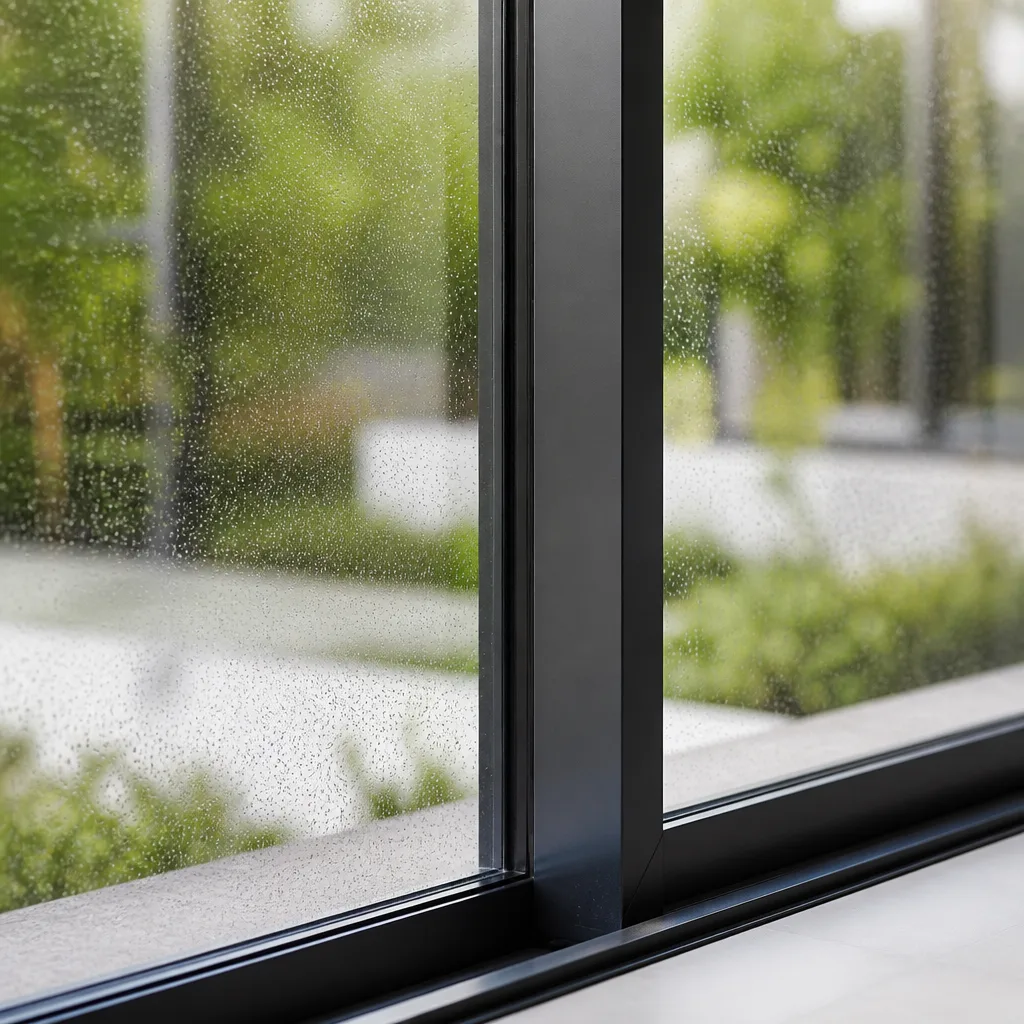
Not every warning sign requires immediate expenditure. Some are signals to calendar maintenance before the next wet season.
Minor sealant shrinkage at the perimeter joint between frame and wall shows as a visible gap in the backer rod and sealant bead, typically 1/16 to 1/8 inch wide. In Three Lakes, this is almost always sun-side exposure degradation of the outer sealant skin, not adhesive failure. The underlying sealant body often remains intact. The risk is water intrusion during wind-driven rain events, which we see routinely in June through September tropical wave patterns.
The maintenance window: address before June 1. The correction is removal and replacement of the sealant bead, not the entire perimeter. Cost: $120 to $240 per opening.
Surface corrosion on hardware appears as white or gray oxidation on aluminum handles, hinges, or locking mechanisms. This is cosmetic until it affects operation. The threshold for action: when corrosion product begins to bind moving parts, or when pitting depth exceeds 0.010 inch. We measure this with a pit gauge during our documented photo record.
Frame chalking from UV exposure shows as a powdery residue when you wipe the frame with a dark cloth. This indicates the factory topcoat has degraded to the primer layer. The frame remains structurally sound, but UV absorption increases, accelerating thermal cycling stress. Recoating with a qualified architectural coating restores protection. Cost: $280 to $420 per opening for professional preparation and application.
Three Warning Signs Commonly Misattributed to Other Systems
Three specific warning signs in Three Lakes homes are routinely assigned to the wrong trade. This misattribution costs homeowners in delayed correction and unnecessary service calls.
Sign 1: Water staining on interior drywall below a window, diagnosed as “roof leak” or “plumbing.” The diagnostic distinction is the stain pattern. Roof leaks typically produce staining that spreads across the ceiling or down the wall from above the window head. Plumbing leaks in wall cavities show as staining that extends below the window sill and may involve the baseboard. Window-related water intrusion produces staining bounded by the window rough opening: it appears on the wall directly below the sill, often with a characteristic V-shape pointing downward from the sill corners, and does not extend beyond the vertical edges of the opening.
The cause: failed sill pan flashing or reverse-sloped sill installation, both common in production homes built 2015 to 2020 in Three Lakes subdivisions. The water enters at the sill, travels the rough opening perimeter, and exits at the drywall interface. We’ve documented this in homes across the area, particularly in units with Therma-Tru patio door installations where the sill pan was omitted or improperly bedded.
Sign 2: Uneven cooling or “hot rooms,” diagnosed as “HVAC imbalance.” When a single room runs 4 to 7 degrees warmer than adjacent spaces despite open vents and return airflow, the cause is often not the air handler. It is solar heat gain through degraded glazing. The diagnostic test: measure glass surface temperature with an infrared thermometer on a sunny afternoon. Single-pane or failed-IGU glass in a west-facing Three Lakes opening will read 110 to 140 degrees. Modern low-E IGUs from Mr-Glass or ES Windows with proper SHGC ratings will read 85 to 95 degrees under identical conditions.
The HVAC technician cannot correct this. The solution is glazing replacement with appropriate solar heat gain coefficient specification - typically SHGC 0.25 or below for west exposures in our climate.
Sign 3: Sticking doors throughout the house, diagnosed as “foundation settlement.” When multiple doors bind in their frames, homeowners often call structural engineers. In Three Lakes, the more common cause is humidity-driven frame expansion in unconditioned or poorly conditioned spaces. The diagnostic distinction: foundation settlement produces diagonal cracking in drywall at door corners, and the binding is typically progressive and directional (one corner of the door drags consistently). Humidity-driven binding is seasonal, worse in July through October, and affects doors equally on all sides of the house without corresponding drywall distress.
The solution is often improved humidity control, but if the door frames are non-thermally-broken aluminum with direct sun exposure, the expansion may exceed what interior conditioning can manage. In these cases, frame replacement with thermally improved sections resolves the issue permanently.
Impact-Window-Specific Warning Signs

Impact-rated windows and doors in Three Lakes carry additional failure modes that do not appear on single-pane or standard IGU units. These are critical to recognize because impact protection is a life-safety function in our wind-borne debris region.
Glazing tape separation appears as a visible gap between the glass edge and the frame rabbet, or as extruded tape material at the sightline. The glazing tape is the primary seal that maintains the laminated glass position during design pressure loading. Separation indicates the tape has lost adhesion or the glass has migrated in its setting. In a debris impact event, separated glazing tape allows glass edge loading that can fracture the laminate before the interlayer absorbs impact energy.
We check this with a plastic blade probe during every measured survey. If the blade inserts more than 1/4 inch at any point, the tape has separated. Correction requires removal and re-glazing - not a field repair. Cost: $680 to $1,200 per lite, depending on size and laminate specification.
Laminate delamination at edge seals shows as a milky or iridescent zone at the glass perimeter, visible when viewed at an angle. This is moisture intrusion at the laminate edge, where the polyvinyl butyral interlayer begins to separate from the glass plies. In Three Lakes, this is accelerated by salt-air exposure at unprotected edges. The functional consequence: delaminated laminate cannot transfer impact load across the full glass area, reducing the unit’s debris resistance by 30 to 50 percent based on testing we’ve reviewed.
Delamination at the edge seal is not repairable. The lite must be replaced. Cost: $890 to $2,400 depending on size, with large custom geometries at the upper end.
Frame fastener corrosion telegraphing through interior drywall is a warning sign we’ve documented specifically in Three Lakes homes with stucco exterior and steel frame fasteners. Salt-air intrusion at the exterior frame perimeter corrodes the fastener head or shank. The corrosion product expands, creating a raised bump or stain on the interior drywall directly in line with the fastener location. This appears as a series of regularly spaced bumps along the window head or jamb - the fastener pattern is often 12 or 16 inches on center, matching the original installation.
The misattribution: homeowners often call drywall contractors, who patch the bumps without addressing the underlying corrosion. The correct response is fastener replacement with stainless steel hardware and remediation of the water intrusion path. Cost: $420 to $780 per opening for fastener replacement and sealant remediation; drywall repair is additional if the homeowner has already had patches done.
What Each Warning Sign Costs at Each Stage
The following table summarizes what we’ve documented across our 18,000+ installations. Prices reflect Three Lakes market conditions for 2024-2025 and include labor, materials, and permit fees where applicable. These are the line-item ranges that appear on our written quotes - the same document the customer keeps, per Haven Clause 1.
| Warning Sign | Component Failing | Early Correction Cost | Delayed Replacement Cost | Timeline to Escalation |
|---|---|---|---|---|
| Interior condensation (IGU) | Edge seal / spacer bar | $380-$650 | $2,800-$4,200 | 18-36 months |
| Multi-point lock drag | Hinge pin / roller carriage | $180-$340 | $480-$720 | 6-12 months |
| Cracked frame member | Vinyl weld / aluminum joint | $340-$580 (anchor only) | $4,200-$6,800 | Immediate-72 hrs |
| Glazing tape separation | Setting tape adhesion | $680-$1,200 | $3,400-$5,400 | 12-24 months |
| Laminate edge delamination | PVB interlayer / edge seal | $890-$2,400 | $4,800-$8,500 | 24-48 months |
| Fastener corrosion (interior) | Steel fastener / stucco interface | $420-$780 | $2,800-$4,600 (with frame) | 18-30 months |
| Sealant shrinkage (perimeter) | UV-degraded sealant skin | $120-$240 | $800-$1,400 (accelerated damage) | 24+ months |
| Surface hardware corrosion | Anodized coating failure | $180-$320 | $480-$890 (full hardware) | 12-24 months |
The pattern is consistent: early correction costs 15 to 25 percent of delayed replacement. The measured survey we deliver identifies which tier each opening occupies, so the homeowner can budget and schedule accordingly.
Common Mistakes to Avoid
- Assuming condensation is always a humidity problem. In Three Lakes, interior-surface condensation on the exterior pane is a sealed-unit failure, not an HVAC issue. Running a dehumidifier wastes energy and delays necessary glazing replacement.
- Applying silicone sealant over failed glazing tape. This is a field repair we see attempted regularly. Silicone does not bond to the glazing tape substrate, and the mechanical load path for impact resistance is not restored. The unit remains non-compliant with its design pressure rating.
- Calling a foundation engineer for seasonal door binding. The $600 to $1,200 structural evaluation is unnecessary when the binding correlates with outdoor humidity and affects all doors equally. Check the humidity correlation first.
- Accepting “call for a quote” from any contractor. Haven Clause 1 exists because the measurement and the price should be the same document. Any contractor who will not commit a price to writing before work starts has not measured correctly or does not intend to honor the initial figure.
- Ignoring impact-window-specific signs because “it’s still impact-rated.” Glazing tape separation and laminate delamination are invisible in daily use but compromise life-safety function. These require professional inspection, not homeowner visual checks.
- Delaying sealant maintenance until “it looks bad.” By the time sealant shrinkage is visually obvious, water intrusion has often progressed to wood buck damage. The $120 early correction becomes a $2,800 frame replacement.
- Replacing only the failed unit in a matching bank. When one window in a three-unit combination fails, replacing only that unit often produces visible sightline misalignment and performance mismatch. The measured survey should address the full bank.
When to Call a Professional
Call for inspection when you observe any Tier 1 sign: cracked frame members, failed anchors, or shattered impact laminate. See How to Hire a Windows & Doors Contractor in Three Lakes: A Step-by-Step Guide to prepare for the process. These are safety and security risks that do not improve with observation. For Tier 2 signs, schedule inspection within 30 days to capture the early correction window. Tier 3 signs can be addressed at your next planned maintenance cycle, but calendar them before June 1 wet season onset.
Sightline Windows & Doors Three Lakes home offers free estimates throughout Three Lakes. Every estimate begins with a measured survey you keep, and the written quote cannot differ from that document. Our technicians are background-checked, uniformed, and identified by license number before arrival, per Haven Clause 3. Call (786) 808-5792 to schedule.
Frequently Asked Questions
IGU seal failure repair in Three Lakes typically costs $380 to $650 for standard sizes and $520 to $890 for custom geometries, including removal, new unit fabrication, and installation. Full frame replacement is only necessary if the seal failure has allowed water intrusion into the frame or surrounding wall. Call (786) 808-5792 for an exact quote on your specific opening - estimates are free.
No. Haven Clause 1 requires that the measured survey and the written quote be the same document. The price you approve is the price on the final invoice. If concealed damage is found after work begins, we document it with photographs, explain the scope change, and require written approval before proceeding. No surprises.
Yes. Window and door replacement in Three Lakes requires Miami-Dade County building permits for all exterior openings, with Florida Building Code compliance verification and final inspection. We pull permits, schedule inspections, and deliver passed inspection documentation as part of our standard scope. The permit cost is itemized in your written quote, not added later.
A standard single-window replacement in Three Lakes takes 4 to 6 hours from protective covering installation to final cleanup. Full-home replacement of 12 to 16 openings typically spans 3 to 5 working days, depending on wall conditions and inspection scheduling. We specify the timeline in your written scope before work begins.
The 365-Day Done Right Promise is written into the Haven Standard, not offered as a courtesy. If any aspect of our installation is not done right, we make it right within one year of completion at no additional cost. This covers workmanship, materials, and performance to the specifications in your written scope. The promise is documented in your project file with the photo record we deliver.
Yes. We offer a free second opinion on any written estimate from another contractor. Bring us their scope and quote, and we will review the product specification, installation method, and pricing against what the opening actually requires. No obligation. This is how we demonstrate that our measured survey process produces accurate, comparable figures.
The Bottom Line
Windows and doors in Three Lakes fail differently than they do in freeze-thaw climates. The warning signs are specific, the timelines are measurable, and the cost delta between early correction and delayed replacement is substantial. The most expensive repair is the one delayed until functional failure. Document what you observe, classify it by urgency tier, and address it before the next wet season. A measured survey from a qualified installer gives you the specific component diagnosis, the written price, and the timeline - the information you need to make a rational maintenance decision.
Written by Sonia Raman, Owner at Sightline Windows & Doors Three Lakes, serving Three Lakes since 2012.