
Last updated September 24, 2026
Free in-home measure and quote - PGT, CGI and CWS impact lines compared on your actual openings, style by style
 Before
 After
After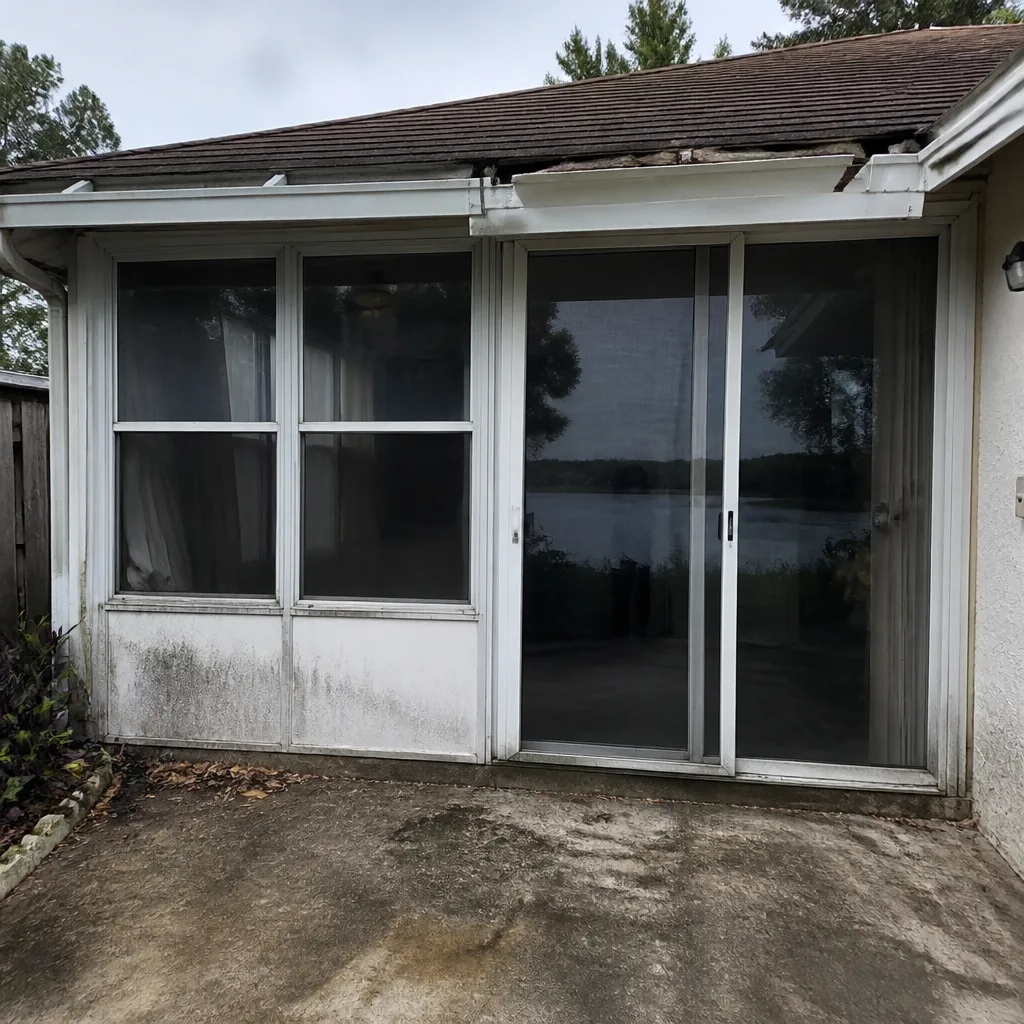 Before
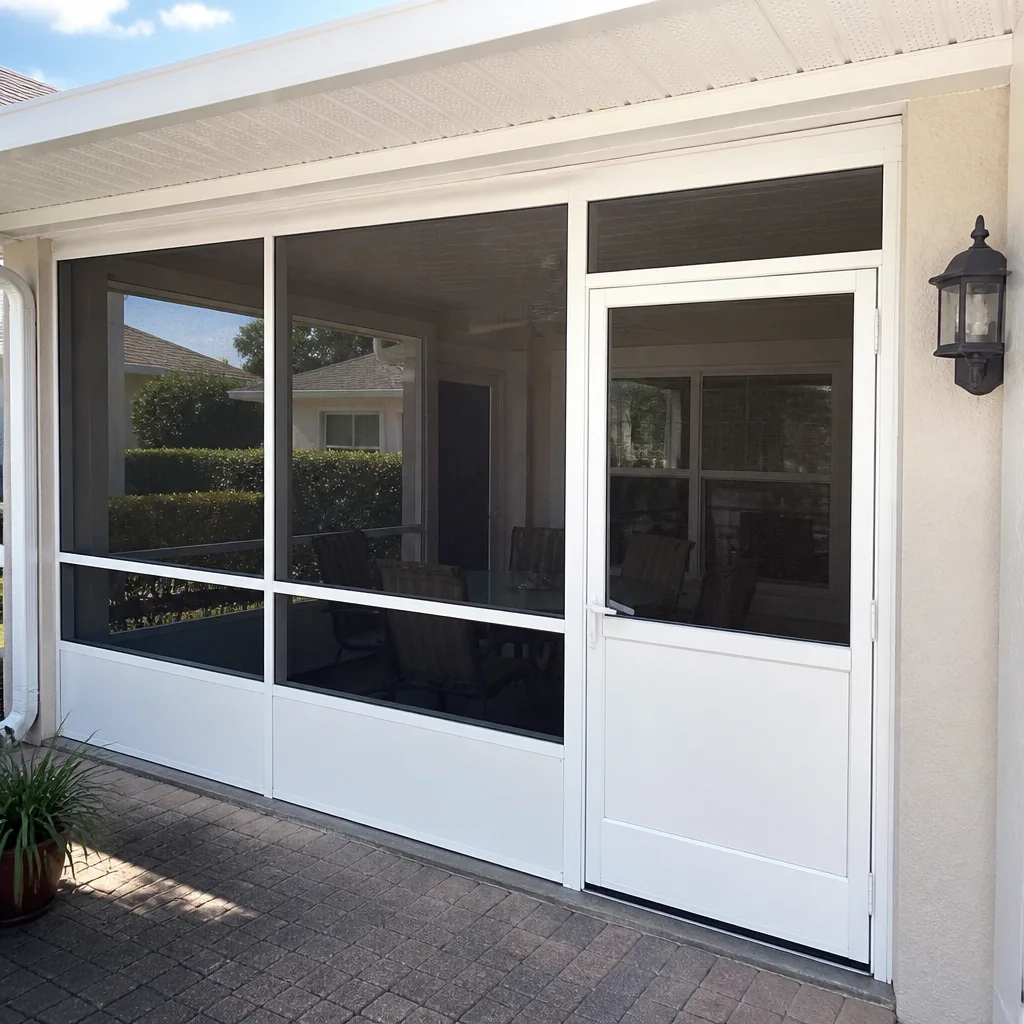 After
After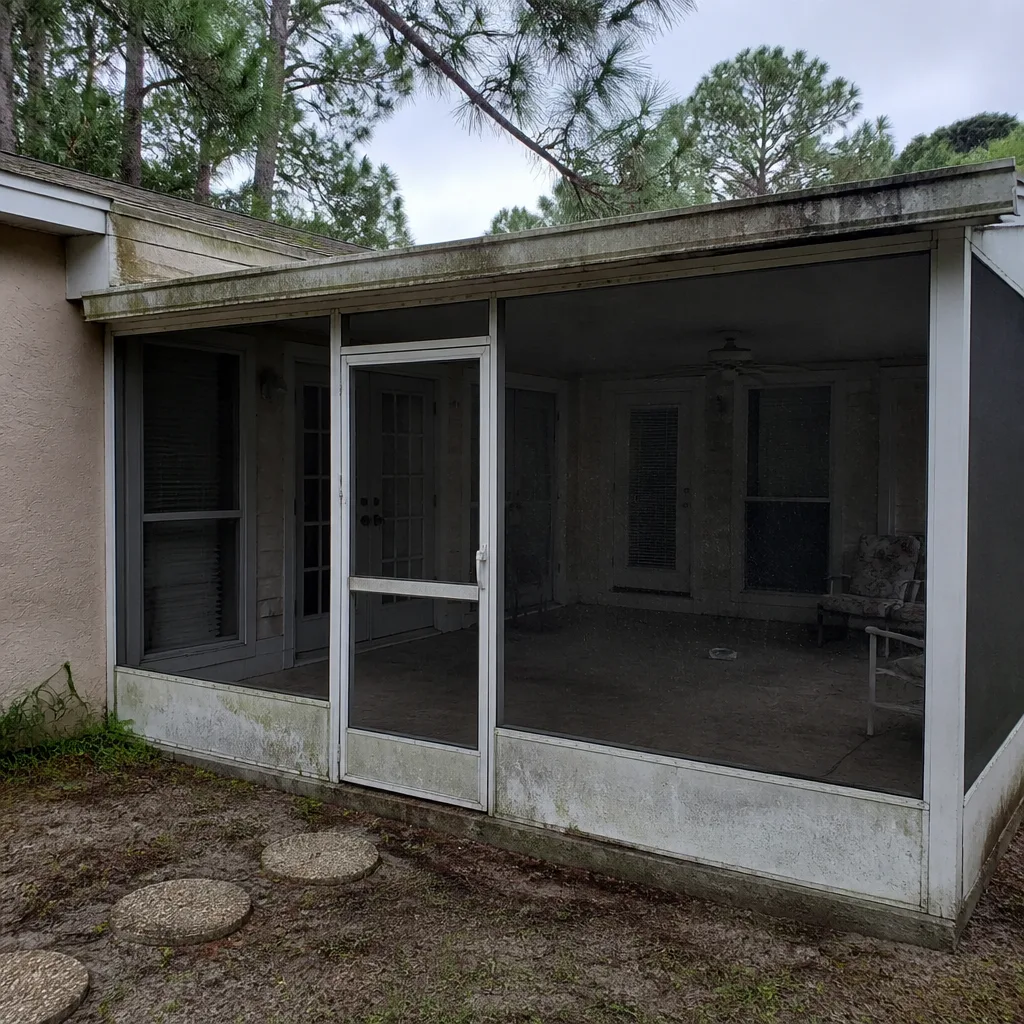 Before
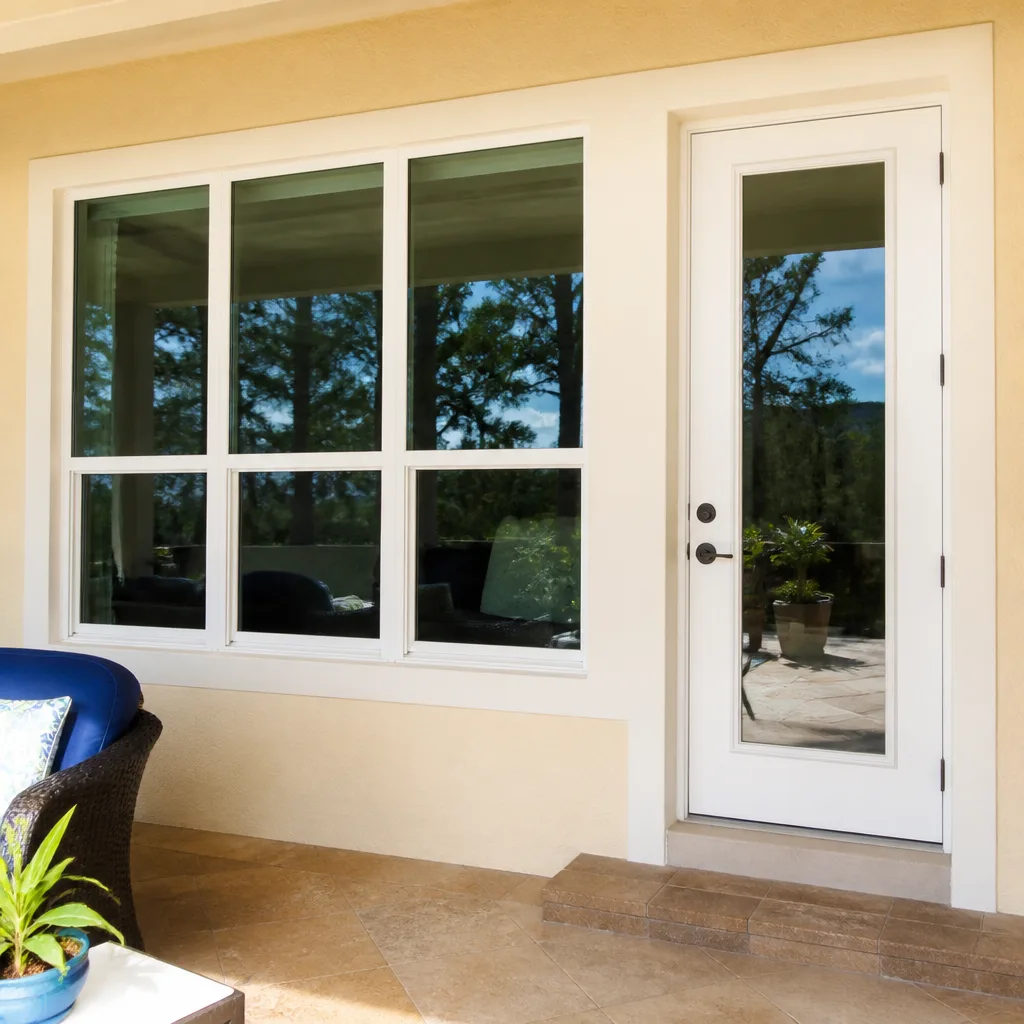 After
AfterWindows & Doors Permits, Codes & Inspections in FL: What You Need to Know
A window rated for Orlando can fail inspection in Three Lakes. That’s not a manufacturer defect - it’s a jurisdictional reality that Florida’s statewide building code creates. Florida Building Code Chapter 14 governs glazed openings across the state, but Miami-Dade County’s High-Velocity Hurricane Zone amendment overrides it with product-approval, installation-method, and inspection-sequencing rules that do not apply ninety minutes north in Palm Beach County. Homeowners in Three Lakes who follow generic “Florida window permit” guides from national publishers routinely discover this gap when a Miami-Dade inspector rejects an installation that passed elsewhere. This guide documents the Miami-Dade-specific permit path as it actually functions for window and door replacement in Three Lakes; for a broader overview, see our Complete Guide to Windows & Doors in Three Lakes.
Quick Answer
Window and door replacement in Three Lakes requires a Miami-Dade County building permit with product approval through the local Notice of Acceptance (NOA) system, not just Florida Product Approval. The process involves two inspections - rough opening and final - with NOA-matched installation methods verified at each stage, as detailed in our Windows & Doors Warning Signs: A Three Lakes Homeowner’s Reference Guide. Unpermitted work triggers a re-inspection protocol that can require partial demolition, and the homeowner-builder exemption, while legally available, voids certain insurance protections and violates most mortgage agreements.
Table of Contents

- Florida Product Approval vs. Miami-Dade NOA: Why the Difference Matters in Three Lakes
- The Miami-Dade Permit Application Sequence Step by Step
- The Two-Inspection Sequence: What Each Inspector Checks
- What Happens When Work Is Done Without a Permit
- The Homeowner-Builder Exemption: Legal but Risky
- Selecting Products That Pass: NOA Documentation and Manufacturer Lines
- Permit Costs, Fees, and Realistic Timelines in Three Lakes
- Common Mistakes to Avoid
- When to Call a Professional
- Frequently Asked Questions
- The Bottom Line
 Before
 After
AfterFlorida Product Approval vs. Miami-Dade NOA: Why the Difference Matters in Three Lakes
Florida operates two parallel product-approval systems for windows and doors. Understanding which one controls your Three Lakes installation is the first decision that determines whether your permit application succeeds or bounces back.
Florida Product Approval is the statewide system administered by the Florida Building Commission. It certifies that a product meets the wind-load and impact-resistance requirements of the Florida Building Code. A product with Florida Product Approval is legal for installation in most of the state, including Broward and Palm Beach counties.
Miami-Dade Notice of Acceptance (NOA) is a separate, stricter system administered by the Miami-Dade County Product Control Division. It applies to all addresses within Miami-Dade County, including Three Lakes. An NOA certifies that a product has passed large-missile impact testing, cyclic wind-pressure testing, and water-infiltration testing at the specific pressures required for the High-Velocity Hurricane Zone. The NOA also prescribes the exact installation method - fastener type, spacing, sealant bead dimensions, and anchorage schedule - that must be followed for the product to remain compliant.
The critical distinction: Florida Product Approval does not equal Miami-Dade NOA. A window may carry Florida Product Approval and lack an NOA. In Orlando, that window installs legally. In Three Lakes, it does not. We’ve reviewed competitor quotes where the specified product carried only statewide approval; the permit would have been denied at submittal.
The NOA system originated after Hurricane Andrew in 1992, when Miami-Dade determined that statewide standards were insufficient for the wind speeds and debris fields generated by Category 4 and 5 storms in this region. The county established its own testing protocols, and those protocols now govern every glazed opening in Three Lakes.
For homeowners researching products, the verification path is specific. Each NOA carries a unique number (format: NOAXX-XXXX.XX) and is searchable in the Miami-Dade Product Control database. The NOA document specifies:
- Product dimensions and configurations approved
- Maximum design pressure rating
- Approved installation methods and materials
- Fastener type, diameter, and spacing
- Sealant requirements and application dimensions
- Any field modifications that void the approval
At Sightline Windows & Doors Three Lakes home, we specify products by NOA number on every written quote. The customer keeps that document, and the installation crew references the same NOA during field work. Haven Clause 1 - Have it in writing - applies to product approval documentation as it does to pricing.
The Miami-Dade Permit Application Sequence Step by Step

The Miami-Dade Building Department processes window and door permits through a specific sequence that differs from the online-only systems in neighboring counties. For Three Lakes properties, the process typically runs as follows.
- Determine permit type. Window and door replacement in existing residential structures generally requires a building permit under the “alteration, repair, or renovation” category. If the work involves structural modification of the opening - enlarging width or height, converting a window to a door, or modifying the header - an additional structural permit or engineer’s letter may be required.
- Verify property zoning and covenants. Three Lakes falls within unincorporated Miami-Dade County for permitting purposes, but individual subdivisions may maintain architectural review boards or deed restrictions that prescribe style, color, or material. The building permit does not override these private covenants. We verify both layers before application.
- Prepare submittal documents. Required documents include:
- Completed permit application with property owner identification
- Two sets of plans showing existing and proposed conditions
- Product approval documentation (NOA) for each window and door specified
- Manufacturer’s installation instructions, current NOA edition
- Energy compliance documentation (Florida Energy Code compliance, typically via NFRC-rated U-factor and SHGC values)
- Contractor licensing information (state-certified or registered contractor, with current Miami-Dade County business tax receipt)
- Submit and pay fees. Miami-Dade accepts permits online through the Building Department portal or in person at the Permitting and Inspection Center. Fees are calculated based on project valuation. For typical residential window and door replacement in Three Lakes, permit fees range from $180 to $450 depending on scope and valuation. The fee schedule is published and updated; we itemize this on our written quotes so the homeowner knows the total permit cost before application.
- Plan review. Miami-Dade conducts a technical review of submittals, typically within 10 business days for residential alterations. Reviewers verify NOA validity, energy compliance, and structural adequacy. Deficiencies generate a correction letter with specific items to address.
- Permit issuance. Upon approval, the permit is issued with an inspection sequence printed on the document. Work may not begin before permit issuance. The permit card must be posted on site and visible from the street.
One Three Lakes-specific consideration: properties east of SW 137th Avenue in certain Three Lakes sections fall within flood zones that trigger additional elevation or flood-opening requirements. We check FEMA flood maps as part of our measured survey; the written quote notes any flood-related conditions that affect product selection or permit submittal.
The Two-Inspection Sequence: What Each Inspector Checks
Miami-Dade requires two inspections for window and door replacement: rough opening and final. Each inspection verifies specific conditions, and work cannot proceed between inspections without inspector approval.
Rough Opening Inspection
This inspection occurs after the existing window or door is removed and the opening is prepared, but before the new unit is installed. The inspector verifies:
- Opening dimensions match permitted plans
- Structural framing is intact and properly anchored
- Sill pan flashing is present and correctly sloped for drainage
- Fastener embedment depth into concrete or framing meets NOA specification
- No structural modifications were made beyond permitted scope
- Fire-rated assemblies, where required, maintain proper clearances
In Three Lakes, we’ve seen rough opening failures most commonly from two conditions: inadequate sill pan slope (water pools toward interior) and fastener spacing that deviates from the NOA schedule by even half an inch. The inspector measures with a tape. Precision matters.
If the rough opening fails, a re-inspection fee applies (currently $75 for residential work in Miami-Dade), and the next available inspection slot may be 3-5 business days out. This is why our crews work from the NOA installation drawing, not memory or habit from another jurisdiction.
Final Inspection
This inspection occurs after installation is complete and all finish work is in place. The inspector verifies:
- Installed product matches NOA description (manufacturer, series, dimensions, glazing type)
- Fastener type, count, and spacing match NOA installation method
- Sealant bead dimensions and coverage match NOA specification
- Operable units function properly (sash operation, lock engagement, weatherstrip contact)
- Impact-rated labels are present and legible on each unit
- Energy compliance sticker (NFRC label) is visible on each unit
The final inspection also includes a visual check that the installation matches the approved plans. In Three Lakes, inspectors are familiar with the common product lines - PGT, CGI, CWS - and can spot a substitution quickly. We’ve been on jobs where a competitor’s crew installed a non-impact lite in an impact-rated frame; the inspector caught the mismatch and failed the job.
Passing final inspection generates a Certificate of Completion, which is required for:
- Property insurance updates or renewals
- Home sale disclosures
- Mortgage lender documentation
- Warranty claim support from manufacturers
At Window Installation in Three Lakes, we schedule inspections around the customer’s availability and remain on site to address any inspector questions. Haven Clause 4 - Evidence on every job - means our photo record documents each installation stage, including inspector sign-off.
What Happens When Work Is Done Without a Permit
Unpermitted window and door replacement in Three Lakes triggers a specific enforcement protocol under Miami-Dade County Code Chapter 8 and the Florida Building Code. The consequences escalate based on how the violation is discovered and whether the work is concealed.
Discovery pathways:
- Neighbor complaint to Code Enforcement
- Utility work or property sale revealing unpermitted modifications
- Insurance claim investigation following storm damage
- Building department audit of contractor activity
Enforcement sequence:
- Notice of Violation. Code Enforcement issues a citation requiring permit application within a specified period, typically 30 days. The property is flagged in county records.
- Retroactive permit application. The homeowner must apply for a permit for work already completed. This requires all standard submittals - plans, NOA documentation, energy compliance - plus additional documentation showing as-built conditions. If the installed products lack NOA approval, they must be replaced.
- Re-inspection and potential demolition. The inspector must verify concealed conditions. If the installation method cannot be verified visually - fastener embedment, sill pan details behind trim - the inspector may require removal of interior or exterior finish to expose the work. In Three Lakes, we’ve seen cases where baseboards, window stools, or exterior trim had to be removed to prove compliance.
- Fees and penalties. Retroactive permits carry double the standard permit fee. Code Enforcement fines accrue daily until compliance, typically $250 per day for residential violations. Lien placement against the property is standard for unpaid penalties.
Insurance implications are separate from code enforcement. Standard homeowner policies in Florida contain provisions that exclude coverage for unpermitted structural modifications. If an unpermitted window fails during a storm and causes water intrusion or structural damage, the insurer may deny the claim based on the permit violation itself, regardless of whether the window caused the loss. We’ve reviewed claim denials where the adjuster cited Miami-Dade Code Section 8-6 as grounds for exclusion.
Resale impact: Unpermitted work must be disclosed on Florida seller disclosure forms. Mortgage lenders and title insurers routinely require permit verification for window and door replacement; unpermitted work can delay or prevent closing. In Three Lakes’s active resale market, this is not a theoretical risk.
The documented photo record we provide on every permitted job - Haven Clause 4 - becomes evidence of compliance if questions arise years later. Unpermitted work leaves no such documentation trail.
The Homeowner-Builder Exemption: Legal but Risky
Florida law permits homeowners to act as their own contractor on single-family residences they occupy, under specific conditions outlined in Florida Statute 489.103(7). This “owner-builder” exemption is legally available in Three Lakes, but its practical limitations are substantial and often misunderstood; see our DIY vs Professional Windows & Doors: The Three Lakes Homeowner’s Decision Guide for a full comparison.
Legal requirements for owner-builder work:
- Property must be single-family residential and owner-occupied
- Owner must personally supervise all work
- Owner is responsible for all code compliance, inspections, and corrective work
- Work is limited to structures not intended for sale or lease within one year
- Owner must verify that all subcontractors carry proper licensing and insurance
Insurance disqualification: Most Florida homeowner policies contain a workmanship exclusion that operates differently when work is performed by an unlicensed individual, including an owner-builder. The policy may still cover the resulting damage (water intrusion from a failed window), but may exclude the cost to correct the defective work itself. More critically, some insurers in the Miami-Dade market specifically exclude owner-builder window and door work from windstorm coverage, treating it as unlicensed structural modification.
Mortgage prohibition: Virtually all residential mortgages contain a due-on-sale or property maintenance clause that requires permits for structural modifications. Owner-builder work without a licensed contractor violates most loan agreements. We’ve encountered Three Lakes homeowners who learned this only when refinancing or selling, when the lender’s title review flagged the unpermitted work.
Liability exposure: The owner-builder assumes full liability for code violations, worker injuries, and defective work. There is no contractor’s insurance policy to respond to claims. If a window fails and injures someone, the owner’s personal assets are exposed.
The exemption exists for legitimate purposes - a homeowner with construction expertise improving their own property. For window and door replacement in a High-Velocity Hurricane Zone, the technical requirements of NOA-matched installation, inspection sequencing, and product verification make successful owner-builder completion rare. In our experience, most Three Lakes homeowners who begin this path contact us after a failed inspection or a product-approval mismatch they did not anticipate.
Window Replacement in Three Lakes under Haven Clause 1 includes permit handling as standard scope; the written quote itemizes permit fees, and our license number is on the application. The owner-builder exemption is legal, but it is not cost-free when the full risk picture is calculated.
Selecting Products That Pass: NOA Documentation and Manufacturer Lines
Product selection for Three Lakes is not primarily an aesthetic decision. It is a documentation decision that precedes permit submittal. The correct sequence: verify NOA, confirm availability, then select within approved configurations.
NOA verification process:
- Identify the design pressure requirement for the specific address. Miami-Dade maps wind speed by location; Three Lakes generally requires products rated for 175 mph wind speed, but specific exposures (corner windows, upper stories, large openings) may require higher ratings.
- Search the Miami-Dade Product Control database by manufacturer and product series. Verify the NOA is current - expired NOAs are not accepted for new permits.
- Confirm the specific product configuration (size, glazing, frame color, hardware) is within the NOA’s approved matrix. A manufacturer may have an NOA for a series, but not for every size or option in that series.
- Download the complete NOA document, including all addenda and revision letters. The installation method may have been updated in a revision; the current edition controls.
Manufacturer lines with active Miami-Dade NOAs relevant to Three Lakes:
CGI manufactures impact-rated windows and doors with extensive NOA coverage for the High-Velocity Hurricane Zone. Their Estate Collection and Sentinel by CGI lines carry NOAs that specify aluminum frame construction, laminated glass, and mechanical fastening schedules suitable for Miami-Dade concrete block construction.
CWS (Custom Window Systems) produces vinyl and aluminum impact products with NOA documentation for both new construction and replacement applications. Their vinyl frame products require specific fastener types for block installation that differ from their wood-frame specifications; the NOA distinguishes these conditions explicitly.
ES Windows manufactures aluminum impact windows and doors with NOA coverage for large-format openings common in Three Lakes’s contemporary construction. Their NOAs include specific provisions for mullion reinforcement and corner anchorage that must be followed for openings exceeding single-unit dimensions.
ECO Window Systems produces thermally broken aluminum products with NOA documentation that addresses energy code compliance through specific U-factor and SHGC ratings. Their NOAs specify warm-edge spacer requirements for insulated glass units that must be verified at final inspection.
At Sightline, we maintain current NOA files for all eight manufacturer lines - PGT, CGI, CWS, ES Windows, ECO Window Systems, Mr-Glass, Therma-Tru, and ViewLux - and specify by NOA number on every quote. The customer receives a copy of the relevant NOA excerpt with their written price. This documentation becomes part of the permit submittal and the inspection reference.
One Three Lakes-specific consideration: the area’s high water table and seasonal humidity affect product longevity. We specify products with NOA-tested drainage details and avoid configurations where the NOA requires field-applied sealant as the primary water barrier - a detail that degrades faster in this climate than mechanical drainage systems.
Permit Costs, Fees, and Realistic Timelines in Three Lakes
Permit costs for window and door replacement in Three Lakes follow Miami-Dade County’s published fee schedule. These are current as of our last permit submittal; fees are subject to county adjustment.
| Item | Cost Range |
|---|---|
| Base permit fee (residential alteration) | $180 - $320 |
| Plan review fee | $85 - $150 |
| Impact fee (if applicable) | $0 - $75 |
| First inspection (rough opening) | Included in permit fee |
| Final inspection | Included in permit fee |
| Re-inspection (if failed) | $75 per occurrence |
| Certificate of Completion | Included |
| Total typical permit cost | $265 - $545 |
Timeline expectations:
- Plan review: 7-10 business days for standard residential alterations
- Permit issuance: 1-2 business days after plan review approval
- Rough opening inspection scheduling: 2-3 business days after request
- Final inspection scheduling: 2-3 business days after request
- Total elapsed time, permit to completion: 3-5 weeks for typical projects
These timelines assume complete submittals and first-time inspection passes. Incomplete submittals add 1-2 weeks for correction cycles. Failed inspections add re-inspection scheduling delays plus any corrective work time.
In Three Lakes, we coordinate permit timelines with product lead times. Some impact-rated products carry 8-12 week manufacturer lead times; we submit permits to align with expected delivery, avoiding permit expiration (180 days from issuance in Miami-Dade, with one extension available).
Our written quotes include permit fees as a line item. There is no separate “permit handling” charge - the fee is the county’s fee, passed through at cost. Haven Clause 5 - No surprises - means the total project cost is documented before work begins.
Common Mistakes to Avoid
- Assuming Florida Product Approval is sufficient. A product legal in Fort Lauderdale may lack Miami-Dade NOA. Verify the specific NOA number for your Three Lakes address before purchase.
- Installing before permit issuance. Miami-Dade inspectors will fail work that began before permit posting. The permit card must be visible before removal of existing units.
- Using outdated NOA editions. Manufacturers update installation methods in NOA revisions. An older edition may specify a fastener or sealant that is no longer approved. Download the current edition from the Product Control database.
- Ignoring flood zone requirements. Certain Three Lakes sections require flood openings or elevation compliance that affects window and door selection. Check FEMA maps before product specification.
- Failing to match NOA installation method in the field. Substituting a common screw for the NOA-specified tapcon, or applying sealant in a bead dimension narrower than specified, generates a failure. The inspector measures.
- Neglecting energy compliance documentation. Miami-Dade enforces Florida Energy Code requirements on replacement windows. The NFRC label must be present, and U-factor and SHGC must meet or exceed code minimums for the climate zone.
- Relying on the owner-builder exemption without understanding insurance and mortgage implications. The exemption is legally available but practically hazardous for financed properties and standard insurance policies.
When to Call a Professional
Call a licensed contractor when the project involves impact-rated products, structural opening modification, or any work in a flood zone - which describes most window and door replacement in Three Lakes. The NOA system, inspection sequencing, and insurance documentation requirements create a compliance environment where errors are costly and corrections are invasive. Browse our more guides & resources for additional homeowner information.
Specific scenarios that warrant professional engagement: replacing windows in a home built before 1994 (likely original non-impact units requiring full opening preparation); converting sliding doors to French doors (structural header modification); installing products in a gable end or corner condition (elevated design pressure requirements); or any project where the homeowner’s mortgage or insurance policy requires licensed contractor documentation.
Door Installation in Three Lakes through Sightline includes permit acquisition, NOA verification, inspection scheduling, and the documented photo record that supports future warranty or insurance claims. Our technicians arrive uniformed with license numbers visible; Haven Clause 3 means the person at your door matches the person on the permit application.
For a free estimate with written pricing before any work begins, call (786) 808-5792. We review competitor quotes at no charge - bring us any written estimate and we will verify the product approval documentation and installation scope.
Frequently Asked Questions
Yes. Miami-Dade County requires a building permit for all window and door replacement in existing residential structures, including like-for-like replacement of non-impact units with impact-rated products. The permit verifies product approval, energy compliance, and installation method. Call (786) 808-5792 to schedule a free estimate that includes permit handling.
Florida Product Approval is the statewide system; Miami-Dade NOA is a separate, stricter system required for all addresses in Miami-Dade County, including Three Lakes. A product may have statewide approval without an NOA, but it cannot be legally installed here. The NOA specifies the exact installation method that must be followed.
From complete submittal to permit issuance, typically 10-14 business days. Inspection scheduling adds 2-3 business days per visit. Total project timeline from permit application to final inspection is generally 3-5 weeks for standard residential window and door replacement. Product lead times may extend this if specialty sizes or finishes are specified.
The inspector issues a correction notice specifying the deficiency. Corrections must be completed and a re-inspection requested, with a $75 re-inspection fee. Common failures in Three Lakes include fastener spacing deviations, inadequate sill pan slope, and product substitutions that don’t match the NOA. We remain on site during inspections to address any questions immediately.
Legally, yes, if you occupy the single-family residence and personally supervise all work. Practically, the exemption voids certain insurance protections and violates most mortgage agreements. Most Three Lakes homeowners find the NOA compliance requirements, inspection sequencing, and liability exposure make professional engagement the lower-risk choice. Call (786) 808-5792 for a free second opinion on any estimate you’ve received.
Yes, potentially severely. Standard Florida homeowner policies exclude coverage for unpermitted structural modifications. If an unpermitted window fails during a storm, the insurer may deny the entire claim based on the permit violation. Additionally, some insurers specifically exclude owner-builder window work from windstorm coverage in the Miami-Dade market.
Search the Miami-Dade County Product Control database by manufacturer name and product series. Verify the NOA number, check that it has not expired, and download the complete document including all revisions. Confirm your specific product configuration (size, glazing, options) is within the approved matrix. At Sightline, we provide the NOA excerpt with every written quote; the customer keeps this document.
The Bottom Line
Window and door replacement in Three Lakes operates under a Miami-Dade County regulatory layer that supersedes generic Florida guidance. The Notice of Acceptance system, two-inspection sequence, and specific enforcement protocols for unpermitted work create a compliance environment where documentation accuracy determines project success. Product selection must precede permit submittal, not follow it. The owner-builder exemption, while legally available, carries insurance and mortgage risks that most homeowners do not anticipate. For permitted, documented, NOA-compliant installation, professional engagement with verified licensing and current product approval files is the path that produces a Certificate of Completion without correction cycles or concealed-work demolition.
Written by Sonia Raman, Owner at Sightline Windows & Doors Three Lakes, serving Three Lakes since 2012.