
Last updated September 24, 2026
Free in-home measure and quote - PGT, CGI and CWS impact lines compared on your actual openings, style by style
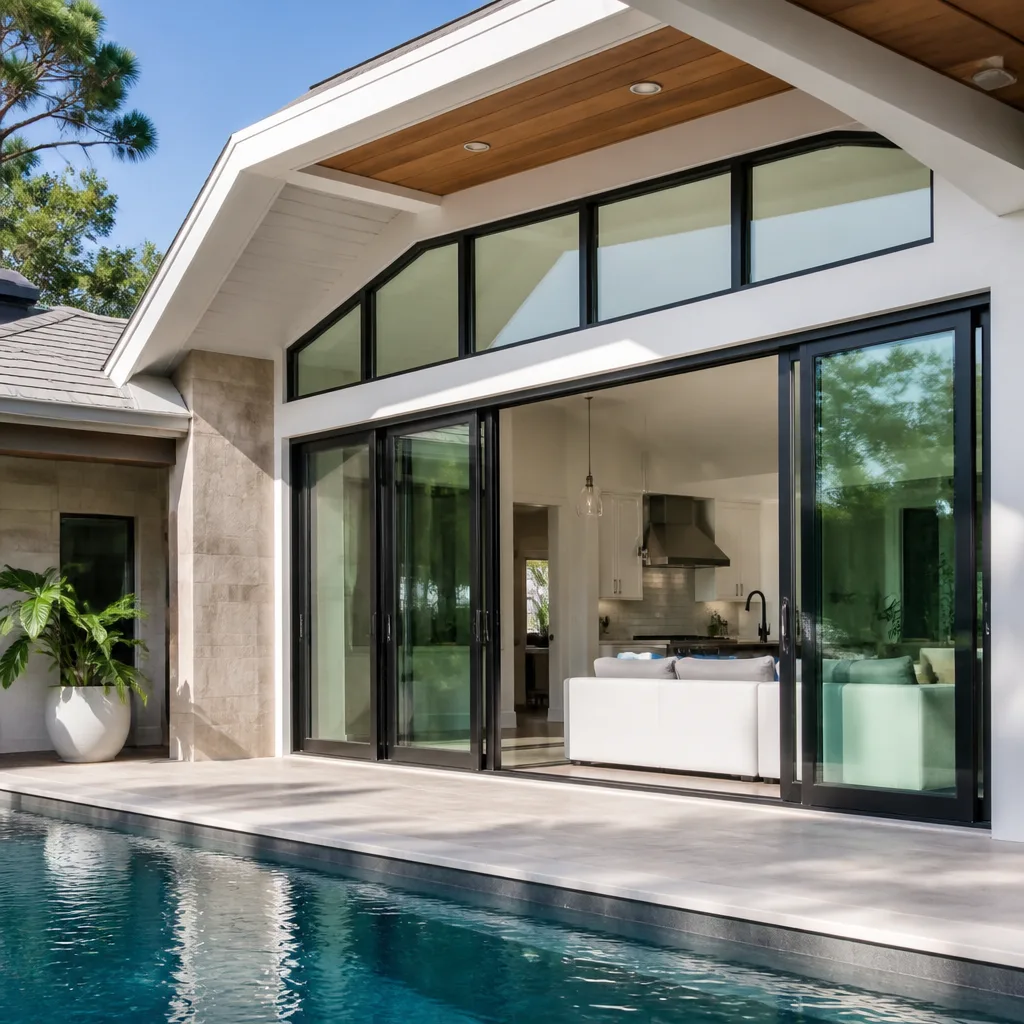
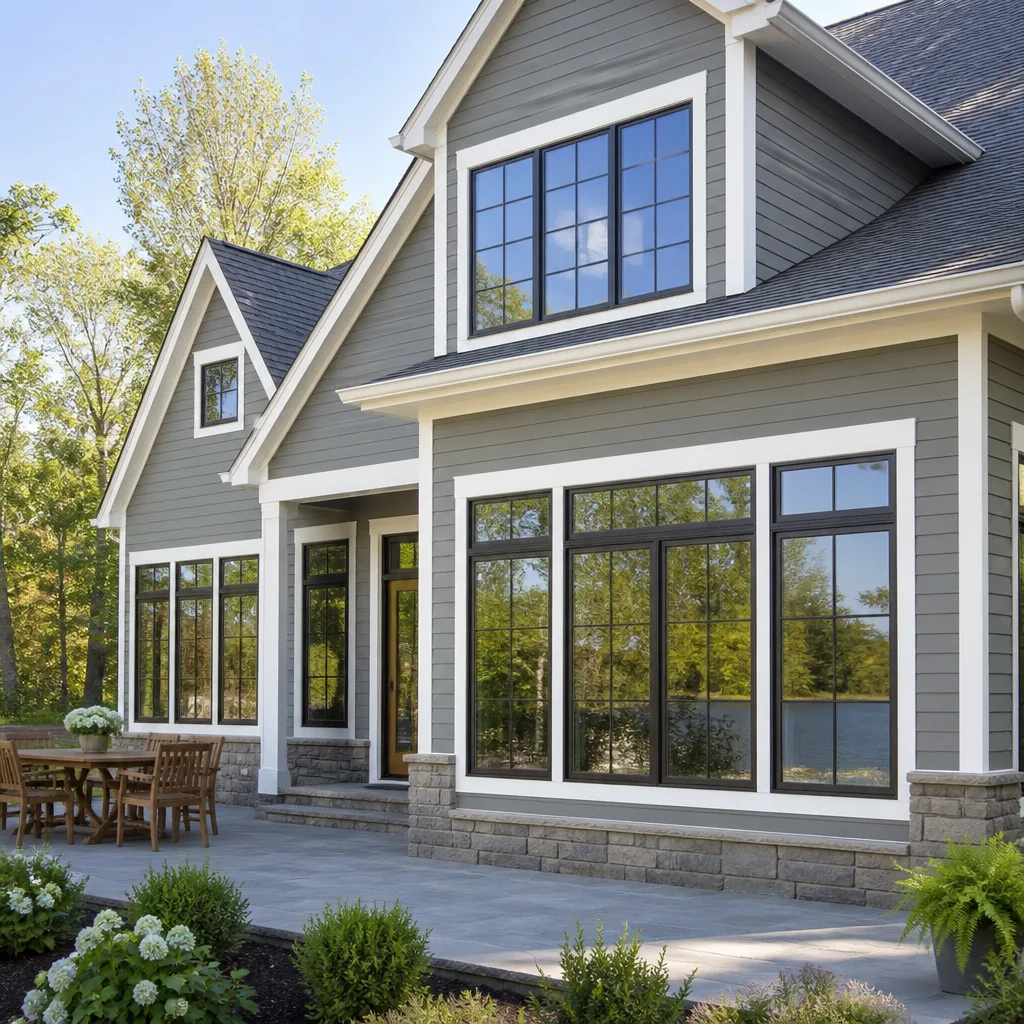
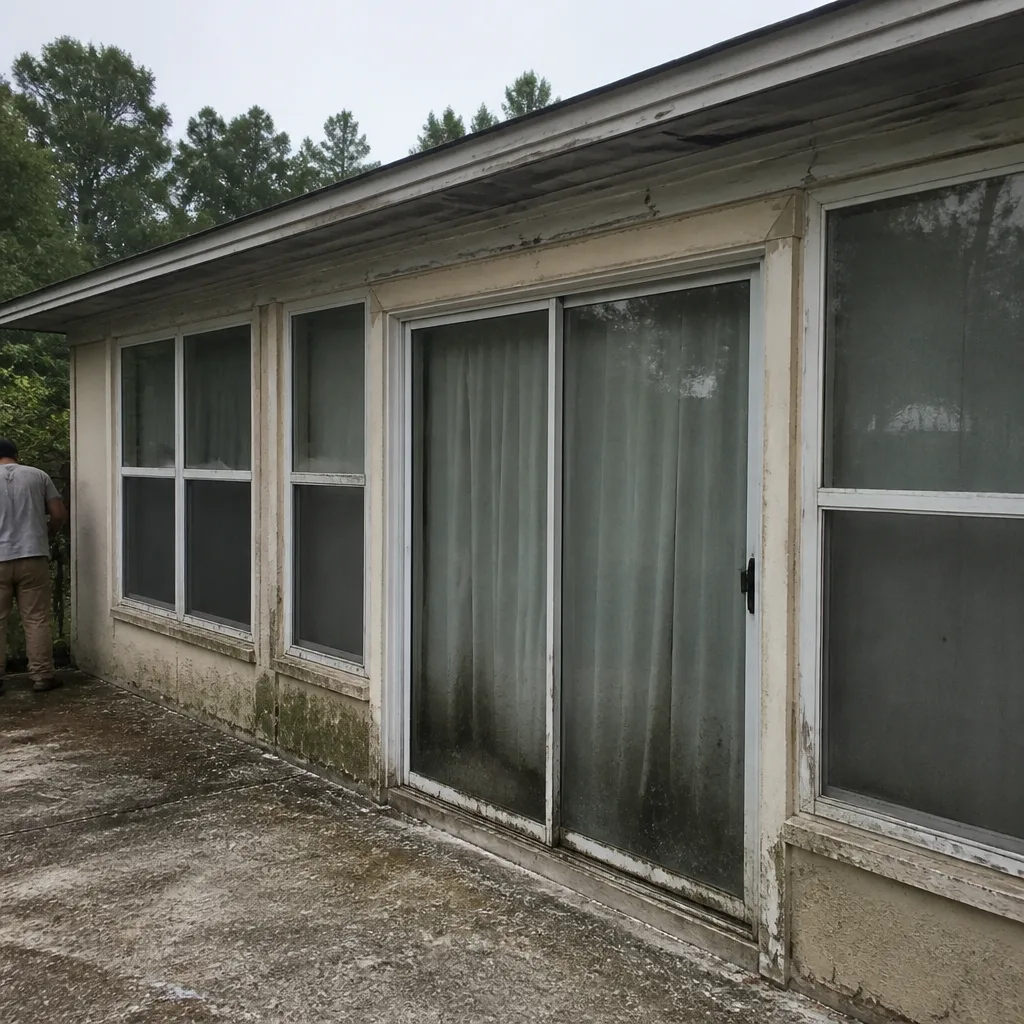 Before
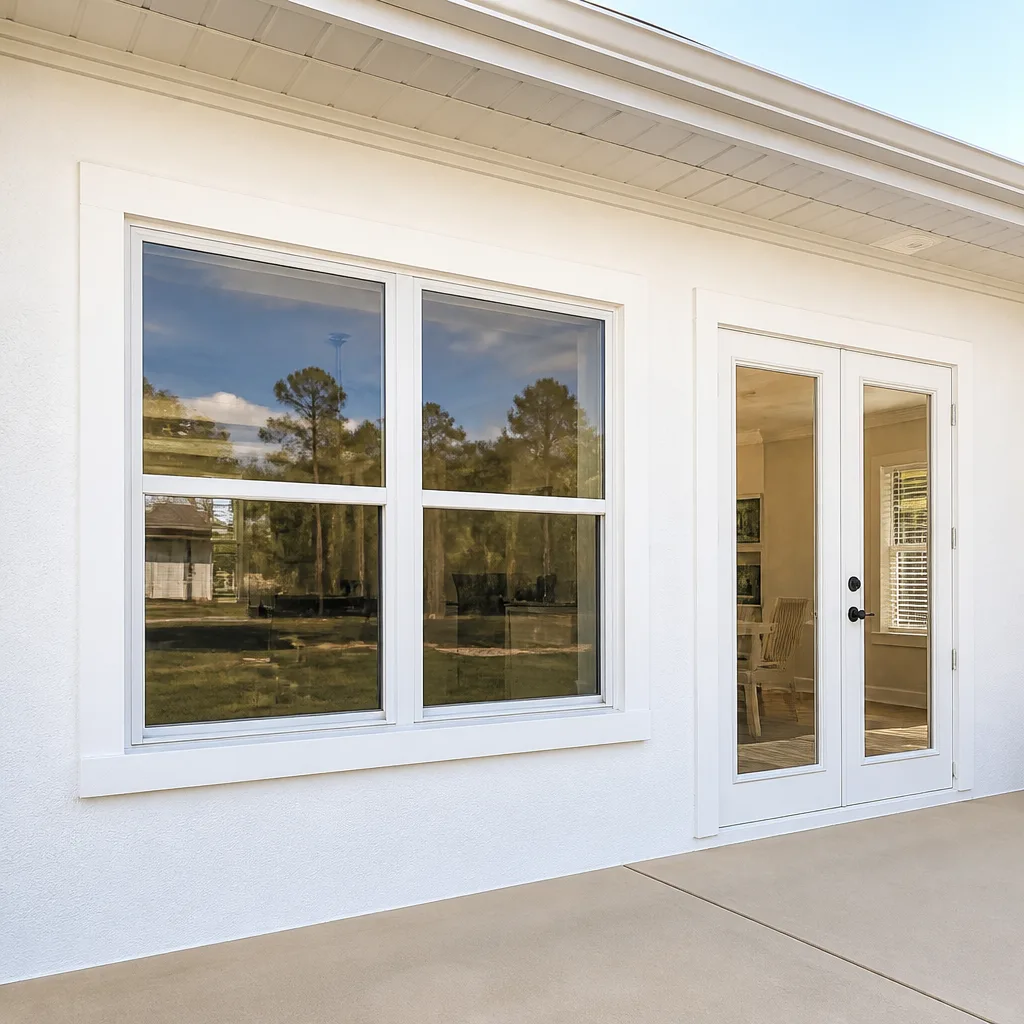 After
After Before
 After
After Before
 After
AfterDIY vs Professional Windows & Doors: The Three Lakes Homeowner’s Decision Guide
Here’s what most YouTube tutorials won’t tell you about replacing your own windows in Three Lakes: the Florida homeowner-builder exemption that lets you pull your own permit does not exempt your installation from Miami-Dade’s High-Velocity Hurricane Zone requirements. The same statute that saves you contractor markup - Florida Statute 489.103(7) - still binds you to the Notice of Acceptance engineering document for every anchor, every sealant bead, every fastener torque spec. We’ve inspected owner-installed windows in Three Lakes that looked square from the street but failed anchor spacing by half an inch, which is enough for a post-storm insurance denial. In this guide, you’ll learn exactly where the law draws the line, what a compliant DIY installation actually costs when you price every component, and at what project size the risk-adjusted math favors calling a professional - or see our step-by-step guide to hiring a contractor in Three Lakes if you want that decision made easier.
Quick Answer
Most Three Lakes homeowners can legally install their own windows under Florida’s owner-builder exemption, but Miami-Dade County’s HVHZ code requires every installation to follow the manufacturer’s NOA engineering document regardless of who performs the work. A DIY installation typically costs $340-$580 per opening in materials, permits, and tools, versus $680-$1,240 per opening professionally installed, but first-time DIY permit submissions in Miami-Dade face a 40-60% initial rejection rate and non-compliant anchoring can void your windstorm coverage. For year-round upkeep tips, see our Seasonal Windows & Doors Care for Three Lakes guide.
Table of Contents
- The Exact Legal Boundary: What You Can and Cannot Do Yourself
- The Insurance Consequence Nobody Explains
- The True DIY Cost: Pricing Every Component
- What Homeowners Can Actually Handle vs. What Fails Inspection
- Break-Even Analysis: When Professional Labor Pays for Itself
- The Tool List for HVHZ-Compliant Installation
- The Miami-Dade Permit Process for Owner-Builders
- Choosing Products That Work in Three Lakes
 Before
 After
AfterThe Exact Legal Boundary: What You Can and Cannot Do Yourself
Florida Statute 489.103(7) allows a homeowner to act as their own contractor on a single-family residence they occupy, provided they personally supervise all work and obtain all required permits. This is the exemption every DIY tutorial references. What those tutorials omit: the exemption governs who pulls the permit, not how the work is performed.
In Three Lakes, which sits within Miami-Dade County’s High-Velocity Hurricane Zone, every window and door installation must conform to the specific Notice of Acceptance issued by the Florida Building Commission for that exact product in that exact application. The NOA is not a suggestion. It is an engineering document that specifies anchor type, anchor spacing, embedment depth, sealant bead width, and fastener torque. Whether a licensed contractor or the homeowner performs the installation, the inspector will hold the work to that document.
We’ve reviewed NOAs for PGT and CGI products commonly specified in Three Lakes, and the anchor patterns vary significantly even within the same manufacturer’s line. A WinGuard vinyl double-hung uses a different anchor schedule than an aluminum single-hung. The homeowner-builder who assumes one window installs like the next is the homeowner-builder who receives a correction notice.
Here is what the statute actually permits and prohibits:
- Permit pulling: You may pull the building permit yourself, avoiding contractor markup on permit fees. Miami-Dade charges the same fee regardless of who applies.
- Installation performance: You may perform the installation yourself, but every step must match the NOA. The inspector does not grade on effort.
- Electrical integration: If your window includes integrated low-voltage sensors or automated shading, Florida requires a licensed electrician for that portion.
- Structural modification: Enlarging an opening, modifying a header, or altering load-bearing walls requires an engineer’s letter and triggers additional licensing requirements the owner-builder exemption does not cover.
The practical boundary: if you’re replacing an existing window with a same-size unit and the wall is not structural, you may proceed under the exemption. If you’re changing sizes, adding openings, or touching a header, you need professional licensing or professional supervision.
One more detail specific to Three Lakes: the area’s newer construction, particularly developments built after Hurricane Andrew, often uses concrete block with steel-reinforced cells. Anchor embedment into hollow block without filling the cell first violates most NOAs. We’ve found homeowners who drilled into what they thought was solid concrete hit voids, installed anchors anyway, and learned the failure mode only when the inspector probed with a hammer.
The Insurance Consequence Nobody Explains

This is the risk that does not surface until after a storm, when it is too late to correct.
Florida insurers have refined their post-hurricane investigation protocols significantly since 2017. When a claim involves window failure, the adjuster’s file now routinely includes a permit history search and, where the installation was owner-performed, a review of compliance with the product’s NOA. The mechanism is straightforward: if the window blew out or leaked, the carrier investigates whether the failure resulted from storm force or from installation defect. A non-compliant anchor pattern shifts liability from “act of God” to “workmanship error,” and workmanship is not a covered peril under standard HO-3 policies.
We’ve spoken with Three Lakes homeowners who discovered this gap after Hurricane Irma. One case involved a south-facing picture window installed by the previous owner in 2015. The window failed at the mullion during the storm. The adjuster noted the owner-builder permit, requested the NOA, and found the anchor spacing exceeded the maximum by four inches. The claim was denied on installation defect. The homeowner’s recourse against the prior owner expired with the statute of limitations on disclosure claims.
The specific documentation gap that triggers denial:
- No permit on file: Unpermitted work voids coverage for that component in most Florida policies, regardless of installation quality.
- Permit pulled but no final inspection: The work is legally incomplete; the insurer treats it as unpermitted.
- Permit finalized but NOA non-compliance documented: The installation is permitted but defective; the carrier denies on workmanship exclusion.
- NOA followed but product not rated for HVHZ: Some products carry Florida Product Approval but not Miami-Dade NOA; they cannot legally be installed in Three Lakes.
The critical point: a professional installation by a licensed contractor does not automatically guarantee compliance, but it does create a chain of liability. If the contractor’s work fails the NOA, the contractor’s general liability and errors-and-omissions coverage respond. If your own work fails, you are the liable party, and your homeowner’s policy likely excludes the loss.
For Three Lakes specifically, the concentration of homes built 1992-2005 means many windows are original or first-replacement units installed before insurers tightened these protocols. A homeowner replacing a window today faces stricter documentation requirements than the previous installer did. The insurance market has changed; the installation standard has not relaxed to match it.
The True DIY Cost: Pricing Every Component
The retail price of a window is not the project cost. Here is the line-item breakdown for a typical Three Lakes home replacing ten vinyl impact-rated double-hungs, based on 2024 retail and permit pricing in Miami-Dade County.
| Item | Quantity | Unit Cost | Total |
|---|---|---|---|
| PGT WinGuard vinyl double-hung, 36″ x 60″ | 10 | $380-$520 | $3,800-$5,200 |
| Impact-rated installation flange kit | 10 | $28-$45 | $280-$450 |
| NOA-specified anchor system (tapcon + sleeve, per NOA) | 10 openings | $65-$95 | $650-$950 |
| Backer rod and structural sealant (per opening) | 10 | $45-$70 | $450-$700 |
| Miami-Dade building permit (owner-builder) | 1 | $285-$340 | $285-$340 |
| Inspection fees (initial + re-inspection if failed) | 1-2 cycles | $85-$150 | $85-$300 |
| Tool rental/purchase (see next section) | 1 set | $340-$680 | $340-$680 |
| Dumpster or debris disposal | 1 | $180-$260 | $180-$260 |
| DIY Total (10 windows) | $6,070-$8,880 | ||
| Per-opening DIY cost | $607-$888 |
Compare to professional installation for the same scope, with contractor product pricing and labor:
| Item | Quantity | Unit Cost | Total |
|---|---|---|---|
| PGT WinGuard vinyl double-hung (contractor pricing) | 10 | $310-$420 | $3,100-$4,200 |
| Installation labor, HVHZ-compliant (per opening) | 10 | $280-$420 | $2,800-$4,200 |
| Permit, inspection, disposal (contractor-handled) | 1 | $450-$620 | $450-$620 |
| Professional Total (10 windows) | $6,350-$9,020 | ||
| Per-opening professional cost | $635-$902 |
The gap narrows significantly when you price honestly. Contractor product discounts of 15-25% offset much of the labor premium. The DIY savings on a ten-window project: approximately $280-$1,140, or 4-13% of total project cost. That savings disappears entirely on the first permit re-inspection, tool replacement, or product damaged during self-installation.
For a smaller project - three to four windows - the tool cost spreads across fewer units and the DIY per-opening cost rises to $720-$1,050. At that scale, professional installation often costs less because the contractor absorbs fixed costs across their operation.
What Homeowners Can Actually Handle vs. What Fails Inspection
After reviewing hundreds of installations in Three Lakes and across Miami-Dade, we’ve identified a clear divide. Two tasks reward careful attention and produce acceptable results from motivated homeowners. Two tasks generate the majority of code violations and insurance documentation gaps.
Tasks Within Reach of a Careful Homeowner
- Interior trim finish carpentry. The casing, stool, and apron that frame the window inside the home are aesthetic, not structural. Precision matters for appearance and air sealing, but errors here are correctable without permit consequence. A homeowner with a miter saw, coping skills, and patience produces trim equal to or better than rushed trade work. We recommend leaving a 3/16-inch gap at the sill for seasonal movement, then sealing with paintable caulk.
- Hardware adjustment and operation verification. Sash balance tension, lock engagement, and weep hole clearance are adjustable post-installation. The NOA specifies operational standards; meeting them requires a screwdriver and a feel for proper engagement, not trade certification. We’ve trained homeowners to verify their own hardware in fifteen minutes per window.
Tasks That Produce Code Violations
- Anchor placement and embedment. This is the single highest-failure item in Miami-Dade DIY inspections. The NOA specifies anchor quantity, spacing from corners, spacing from edges, embedment depth, and torque. In Three Lakes block construction, the anchor must engage solid material or a filled cell. A homeowner who misses a void, over-torques and strips the anchor, or spaces by eye instead of tape measure creates a structural defect that the inspector will flag. We’ve seen 3/8-inch tapcons installed where 1/2-inch was specified, and the difference in pull-out strength is not marginal.
- Perimeter sealant sequencing. The NOA specifies backer rod diameter, sealant type, minimum bead width, and whether the sealant is applied to wet or cured surfaces. The sequence matters: backer rod first, then sealant, then tool to a concave profile. Homeowners often omit the backer rod entirely, apply sealant too thin at the corners, or use a non-structural silicone where polyurethane is required. The result passes visual inspection from the ground but fails the probe test.
The pattern: tasks that are dimensional and adjustable favor the homeowner. Tasks that are structural and sequence-dependent favor the trade. The boundary is not intelligence or effort. It is access to the trade-specific knowledge that accumulates only through repetition.
Break-Even Analysis: When Professional Labor Pays for Itself
The decision to DIY or hire a professional is not philosophical. It is arithmetic with risk adjustment.
Base case: ten-window replacement in Three Lakes, as priced above. DIY saves $280-$1,140 in cash outlay. Against that savings, assign probabilities to the following outcomes based on Miami-Dade data and our own inspection experience:
- First-time permit approval: 40-60% for owner-builders, versus 90%+ for established contractors with inspector relationships and pre-submitted NOA packages. At 50% approval, expect one re-inspection cycle at $85-$150 plus delay costs.
- Product damage during self-installation: 15-25% for homeowners without material handling experience. A cracked sash or scratched frame at retail replacement cost: $380-$520.
- Insurance documentation gap discovered at claim: Low probability in any given year, but catastrophic cost if realized. A single denied windstorm claim on a $15,000 interior damage loss dwarfs any DIY savings.
- Time value: Professional crew completes ten windows in 1.5-2 days. Competent DIY requires 4-6 days including permit research, tool acquisition, and learning curve. At $35/hour imputed value, that’s $560-$1,120 in time cost rarely counted.
Risk-adjusted DIY cost, ten windows:
Base: $6,070-$8,880
Plus expected re-inspection (50% × $120): $60
Plus expected product damage (20% × $450): $90
Plus time value (midpoint): $840
Risk-adjusted total: $7,060-$9,870
Professional range: $6,350-$9,020
The break-even point shifts with project size. Below six windows, DIY tool costs and fixed permit overhead make professional installation competitive or cheaper. Above fifteen windows, the homeowner’s learning curve flattens and the time cost per unit drops, but the insurance risk remains constant and the permit rejection rate does not improve with repetition.
Our observation from Three Lakes: homeowners who succeed at DIY window replacement have typically completed smaller projects first, own most of the required tools already, and have schedule flexibility to absorb permit delays. Homeowners who regret the decision usually underestimated the HVHZ specificity and overestimated their tolerance for administrative friction.
The Tool List for HVHZ-Compliant Installation
The tools required exceed what most homeowners own for general maintenance. Here is the complete list, with acquisition cost and whether rental is practical.
| Tool | Purpose | Purchase | Rental |
|---|---|---|---|
| Hammer drill, 1/2″ chuck, SDS-plus | Anchor holes in concrete/block | $180-$340 | $45-$65/day |
| Impact driver, 1/4″ hex | Anchor installation to torque | $120-$220 | $25-$40/day |
| Torque wrench, 1/4″ drive | NOA-specified fastener torque | $45-$85 | Not typically available |
| 4′ level + 2′ level | Sill and jamb plumb/level | $55-$95 | No |
| Feeler gauge set | Reveal consistency, sash clearance | $12-$20 | No |
| Sealant gun, 20oz sausage | Structural sealant application | $35-$55 | No |
| Backer rod insertion tool | Proper backer rod depth | $15-$25 | No |
| Personal fall protection | Second-story and above | $120-$280 | $30-$50/day |
| Total (purchase) | $582-$1,120 | ||
| Total (rental, 3-day) | $195-$320 |
Notes specific to Three Lakes construction: the hammer drill must handle 3/8-inch to 1/2-inch diameter holes in reinforced block. A standard cordless drill with masonry bit will not achieve the RPM or impact energy. We’ve seen homeowners burn out three cheap drills on a single opening.
The torque wrench is non-negotiable. “Tight enough” is not a specification. The NOA lists torque in inch-pounds, and over-torque strips anchors while under-torque reduces pull-out strength. This is a $45 tool that protects a $5,000 investment.
Fall protection is legally required by OSHA for work above six feet, and practically required by common sense for second-story windows in Three Lakes, where many homes have elevated first floors due to flood zone construction. A ladder stabilizer and body harness are not optional equipment.
The Miami-Dade Permit Process for Owner-Builders
The administrative path for a Three Lakes homeowner installing their own windows:
- Determine permit type. Window replacement in existing openings typically requires a building permit, not a roofing or structural permit. If you’re changing sizes or adding openings, the permit type escalates and may require engineered plans.
- Obtain the NOA. The product manufacturer provides this. For PGT, CGI, CWS, and other lines we specify, the NOA is downloadable from the Florida Building Commission website. You need the specific NOA for the specific product in the specific application - not a similar product, not a previous revision.
- Complete the permit application. Miami-Dade’s online portal requires property owner verification, project scope, and contractor license information. As owner-builder, you enter your own information and check the owner-builder exemption box.
- Submit with NOA and product approval. The permit technician reviews for completeness. Incomplete submissions are rejected without inspection scheduling, a common first-time failure point.
- Receive permit and post at site. Work cannot begin until the permit is issued and posted.
- Schedule rough inspection. For windows, this is typically combined with final unless structural modification occurred. The inspector verifies anchor pattern, sealant bead, and operational function against the NOA.
- Address corrections if any. Corrections must be completed and re-inspected. Each cycle adds 3-10 business days in Miami-Dade’s current queue.
- Receive final inspection and close permit. The closed permit is your documentation of compliant installation. Without it, your insurance position is impaired.
Timeline expectation for owner-builders in Three Lakes: 2-3 weeks from application to final, assuming first-pass approval. With one re-inspection cycle, 4-6 weeks. Professional contractors with established inspector relationships and pre-verified NOA packages typically close in 1-2 weeks.
The administrative burden is not trivial. We’ve had Three Lakes homeowners tell us the permit process consumed more hours than the physical installation, and produced more stress.
Choosing Products That Work in Three Lakes
Product selection for Three Lakes must satisfy three filters: Miami-Dade HVHZ rating, energy code compliance, and suitability for the specific exposure of the home.
HVHZ rating: Not every impact-rated window carries Miami-Dade NOA. Florida Product Approval is a lower bar. For Three Lakes, verify the specific NOA number and confirm it covers the installation method you plan - nail fin, block frame, or retrofit flange. We’ve reviewed window installation in Three Lakes where the product was approved but the installation method specified in the NOA did not match the actual wall construction.
Energy code: Miami-Dade requires maximum U-factor of 0.50 and maximum SHGC of 0.25 for replacement windows. The U-factor measures heat transfer; lower is better. SHGC measures solar heat gain; lower is better in South Florida’s cooling-dominated climate. Products from PGT, CGI, and CWS that meet these thresholds are labeled accordingly, but the label must be current - energy standards have tightened twice since 2012.
Exposure-specific selection: Three Lakes homes with western exposure receive intense afternoon solar load. In these cases, we specify lower SHGC products even if the code minimum is met, because the code is a floor, not an optimization. Homes near the lake edge face higher wind exposure and may benefit from products at the higher end of the impact rating spectrum. Window replacement in Three Lakes requires matching the product to the microclimate, not just the zip code.
For homeowners considering door installation in Three Lakes, the same filters apply with additional attention to threshold drainage and sill pan flashing, which are common failure points in owner-builder installations.
We specify from eight manufacturer lines - PGT, CGI, CWS, ES Windows, ECO Window Systems, Mr-Glass, Therma-Tru, and ViewLux - based on what the opening requires, not what is in stock. In Three Lakes, we’ve found ViewLux geometric and custom shapes integrate well with contemporary architecture, while PGT and CGI provide the breadth of impact-rated options for standard openings. The specification is documented in the measured survey the customer keeps, and the written quote cannot differ from that document.
Common Mistakes to Avoid
- Assuming YouTube applies to Miami-Dade. Most window installation tutorials are filmed in non-HVHZ jurisdictions. The anchor schedule, sealant specification, and inspection criteria shown will not pass in Three Lakes. The techniques are not wrong; they are wrong for this code environment.
- Buying product before verifying NOA. Retail inventory, especially at big-box stores, includes Florida Product Approved products without Miami-Dade NOA. The difference is not visible on the shelf. Verify the NOA number against the Florida Building Commission database before purchase.
- Skipping the measured survey. A window ordered by rough opening dimension without field measurement of plumb, level, and square will not fit properly. We’ve seen homeowners in Three Lakes discover their 20-year-old openings are 3/8 inch out of square only when the new window arrives. The adjustment is possible but not simple.
- Using general construction sealant where structural is required. The NOA specifies sealant by ASTM designation. GE Silicone II is a fine product for bathrooms. It is not a structural sealant and will not pass inspection for window perimeter sealing in Miami-Dade.
- Neglecting final inspection closure. The permit is not complete when the work is done. It is complete when the inspector signs off. We’ve encountered Three Lakes homeowners who installed windows, passed rough inspection, and never scheduled final - leaving a technically open permit that complicates resale and insurance documentation.
- Underestimating the physical demand. A 36″ x 60″ vinyl impact window weighs 85-110 pounds. Handling it on a ladder, aligning it in the opening, and securing it before releasing requires strength, balance, and a second person. The second person is not optional equipment.
When to Call a Professional
Call a professional when the project touches structural elements, exceeds six openings, involves second-story work without existing fall protection equipment, or when your time value exceeds the labor premium. Call a professional when you need the installation documented for insurance, resale, or peace of mind that is based on evidence rather than hope. Our Window Installation Maintenance Checklist for Three Lakes Homeowners covers what that documentation should include.
Specific scenarios we recommend professional engagement: any opening size change; any integration with impact garage door systems; any home in Three Lakes with original pre-Andrew windows where the frame condition is unknown; any project with a hard deadline, such as sale closing or insurance renewal.
Sightline Windows & Doors Three Lakes home offers free estimates in Three Lakes. We provide a measured survey you keep, a written price before any work starts, and a documented photo record when the job is done. Every installation is covered by the 365-Day Done Right Promise written into our Haven Standard. Call (786) 808-5792 to schedule your free estimate.
Frequently Asked Questions
Yes, under Florida Statute 489.103(7), you can act as your own contractor and pull your own permit for window replacement in your primary residence. However, Miami-Dade’s High-Velocity Hurricane Zone requirements still apply regardless of who performs the installation, and your work must conform to the manufacturer’s NOA engineering document. For more guides & resources on windows and doors, explore our blog, or call (786) 808-5792 for a free estimate if you want the work documented by a licensed professional.
DIY installation typically costs $607-$888 per opening including product, permits, tools, and disposal, while professional installation runs $635-$902 per opening for the same scope. The gap narrows to 4-13% because contractors receive product discounts unavailable at retail. At project sizes below six windows, DIY often costs more due to fixed tool and permit overhead. Call (786) 808-5792 for an exact quote on your specific openings - estimates are free.
Your insurance covers storm damage to properly permitted and inspected windows regardless of who installed them. However, if a post-storm investigation finds the installation did not follow the NOA - incorrect anchors, missing sealant, wrong product rating - the carrier may deny the claim as a workmanship defect, which standard policies exclude. Professional installation creates a chain of liability and documentation that owner-builder work does not. For insurance-critical projects, professional documentation is the safer path.
Incorrect anchor placement or embedment causes the majority of DIY inspection failures. The NOA specifies exact anchor quantity, spacing, depth, and torque for each product and wall type. Homeowners frequently space anchors by eye, miss voids in block construction, or use incorrect anchor diameter. The second most common failure is improper sealant sequencing - omitting backer rod, applying too thin a bead, or using non-structural product where structural is required.
Yes. Miami-Dade County requires a building permit for all window replacement, even same-size units in existing openings. The permit ensures the product is rated for High-Velocity Hurricane Zone installation and that the installation method matches the NOA. Unpermitted work voids most insurance coverage for that component and creates disclosure liability at resale. The permit fee for owner-builders is $285-$340 plus inspection fees.
Expect 2-3 weeks from application to final inspection if the work passes on first review. First-time owner-builder submissions in Miami-Dade have a 40-60% initial rejection rate, typically for incomplete NOA documentation or incorrect permit type selection. Each re-inspection cycle adds 3-10 business days. Professional contractors with established processes typically complete the same path in 1-2 weeks.
The Bottom Line

The DIY versus professional decision in Three Lakes is not about capability. It is about compliance cost, risk tolerance, and documentation requirements that have tightened significantly since 2017. Florida’s owner-builder exemption remains available, but Miami-Dade’s HVHZ code does not relax for amateurs. A homeowner who prices honestly - including tools, time value, permit friction, and insurance risk - finds the DIY savings on a typical ten-window project is 4-13% before any setback. One permit rejection, one damaged unit, or one insurance documentation gap erases that margin entirely. For smaller projects, professional installation often costs less. For larger projects, the savings exist but the liability remains concentrated in the homeowner’s name. The Haven Standard we operate under exists because we believe the measurement, the price, and the documentation should travel together. Whether you choose to hire or to self-perform, demand the same standard of evidence.
Written by Sonia Raman, Owner at Sightline Windows & Doors Three Lakes, serving Three Lakes since 2012.