
Last updated September 24, 2026
Free in-home measure and quote - PGT, CGI and CWS impact lines compared on your actual openings, style by style
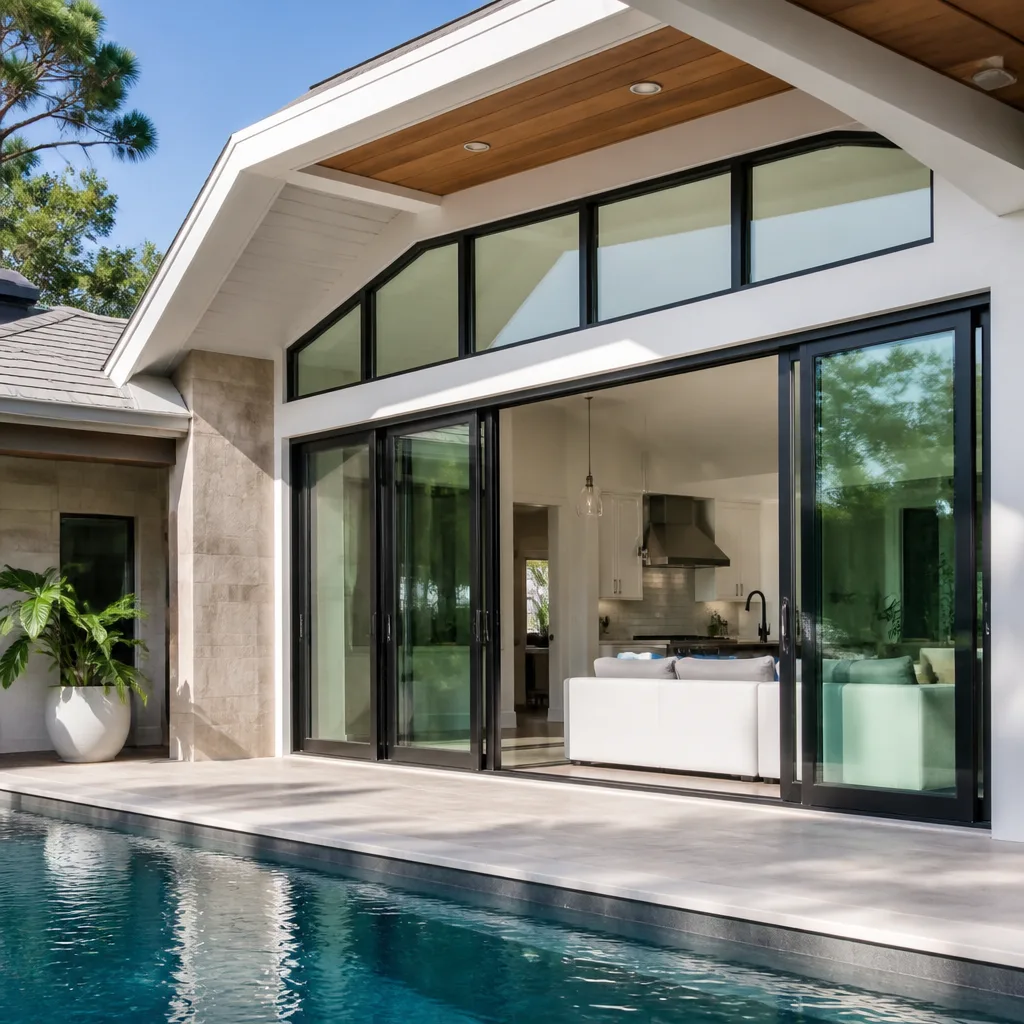
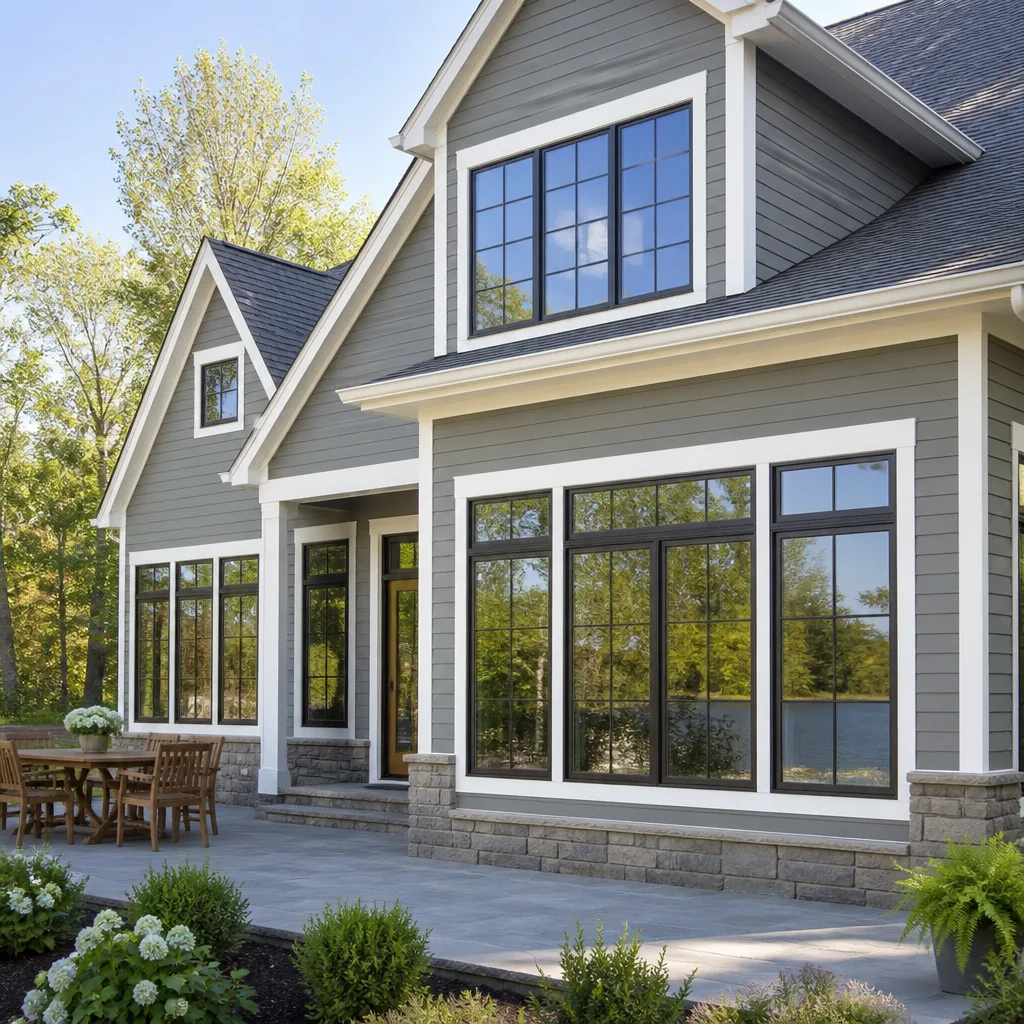
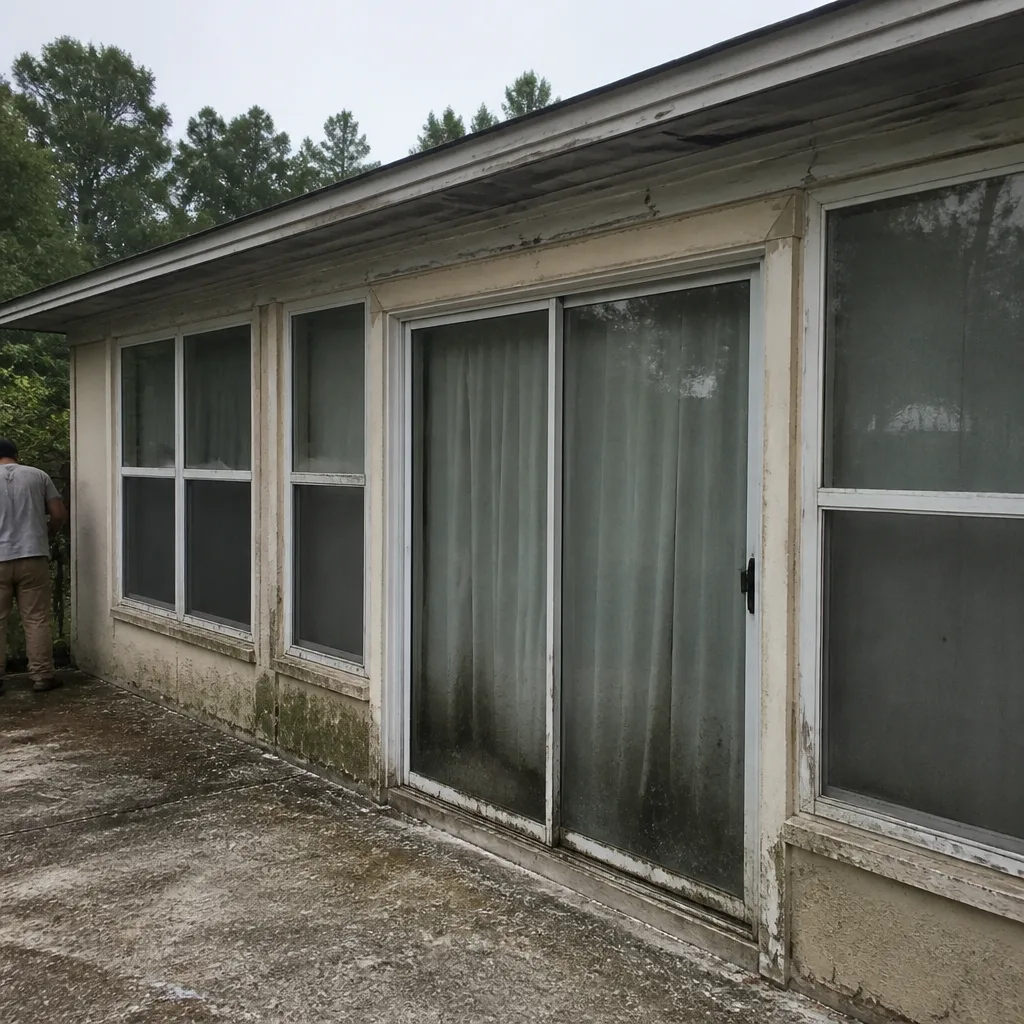 Before
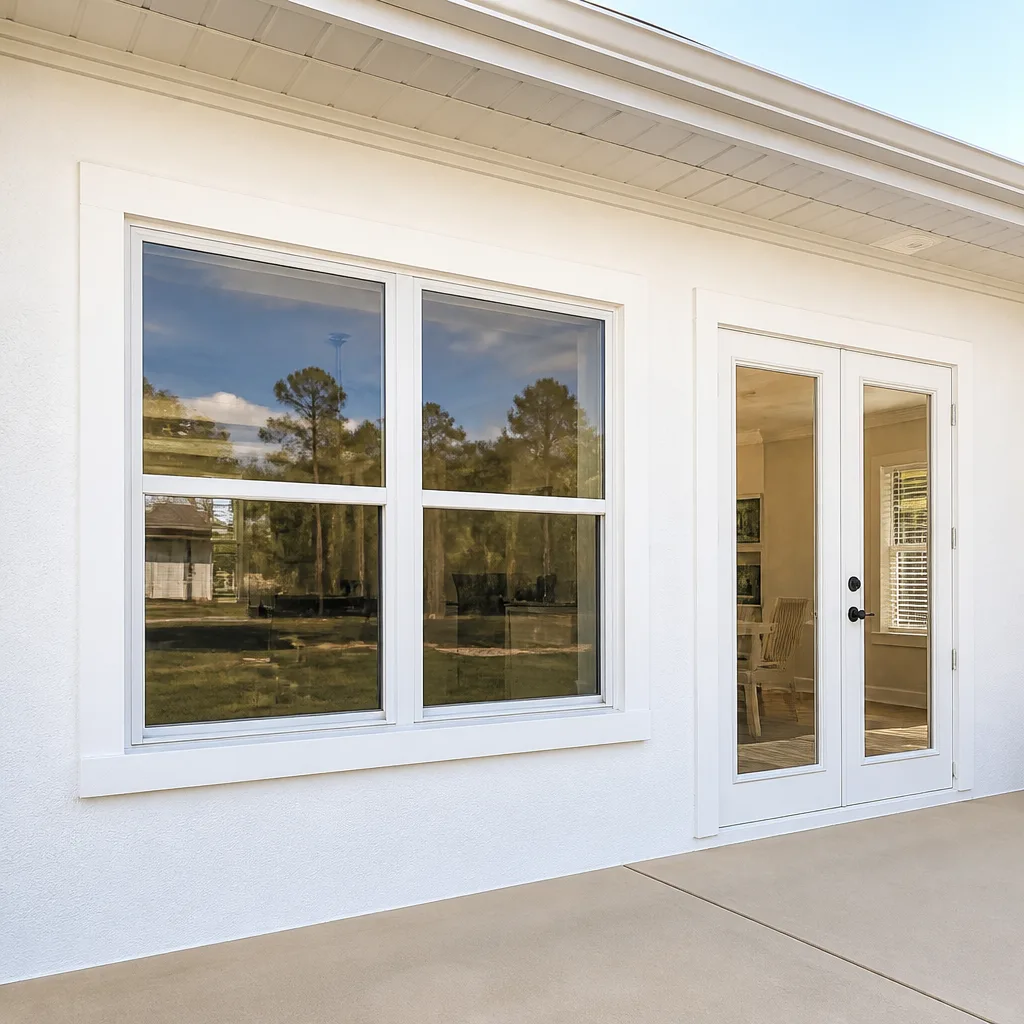 After
After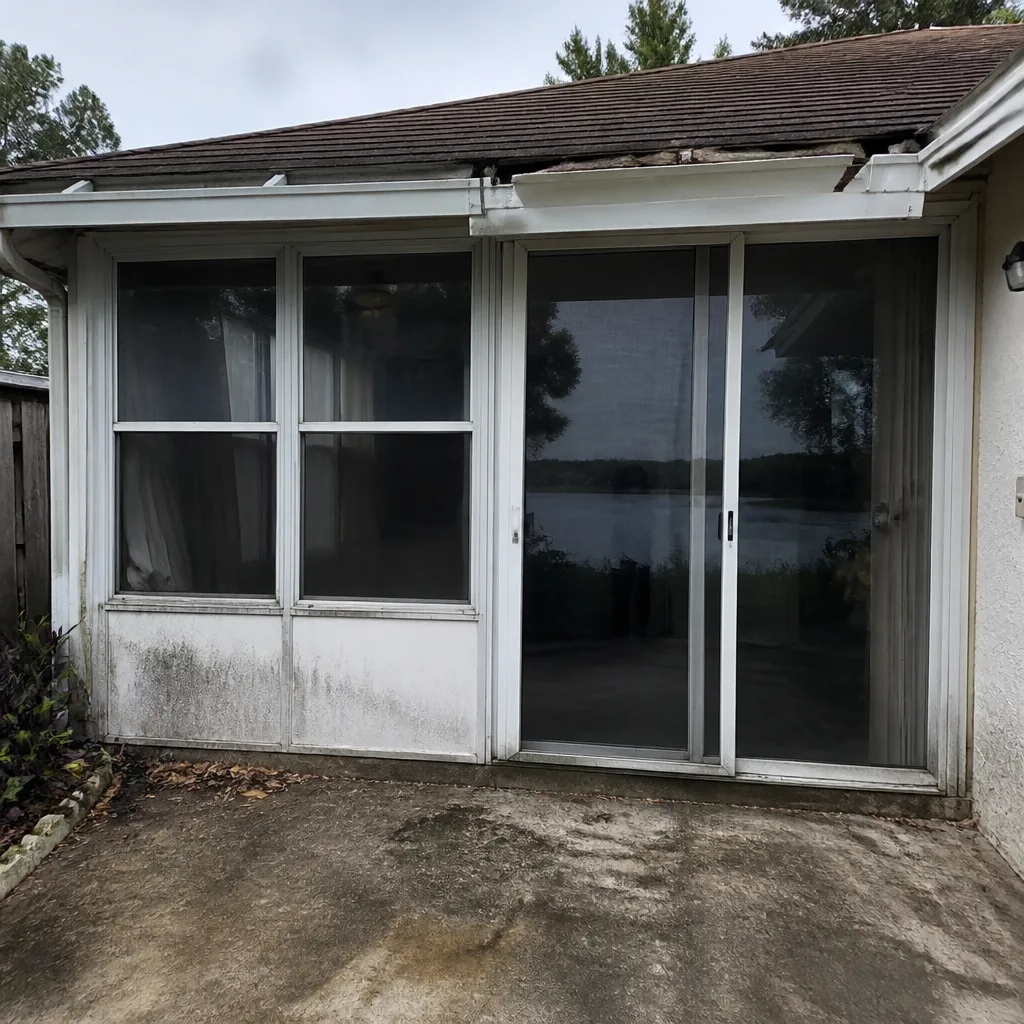 Before
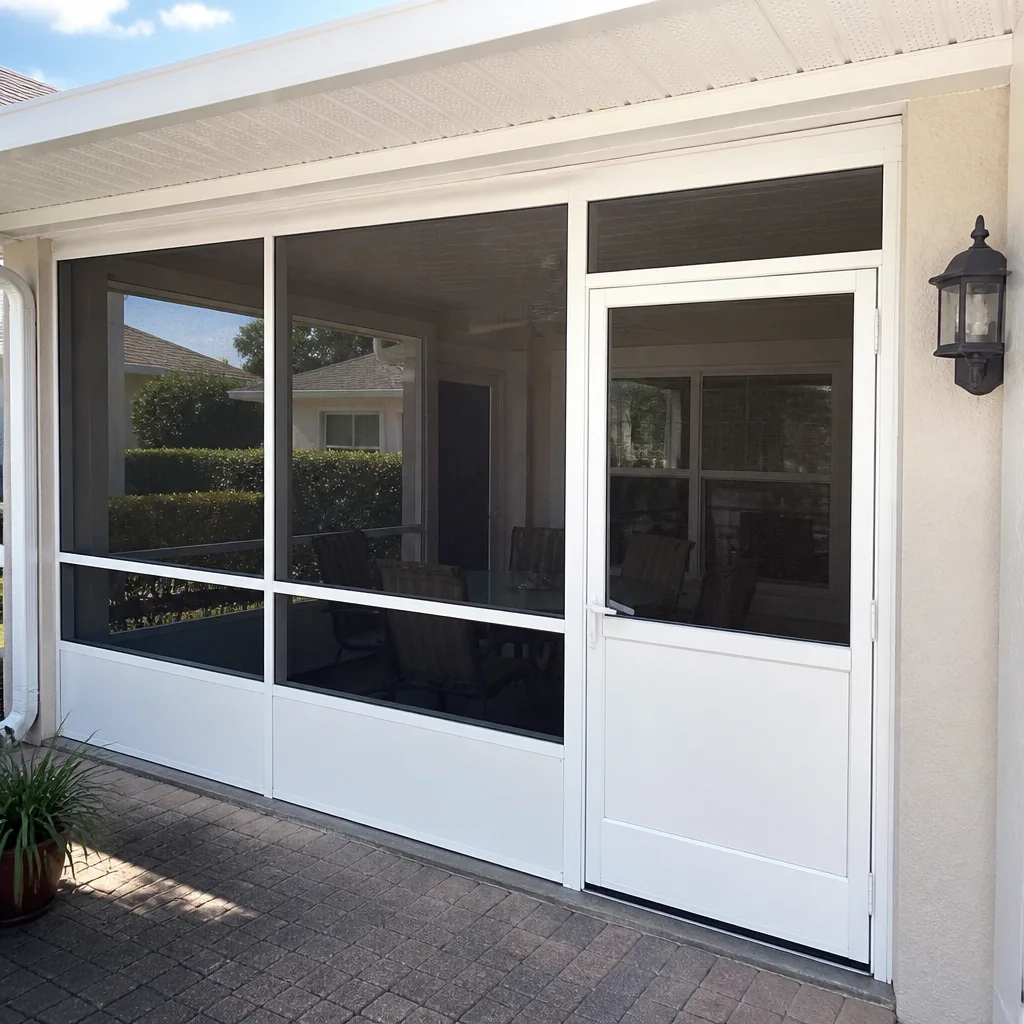 After
After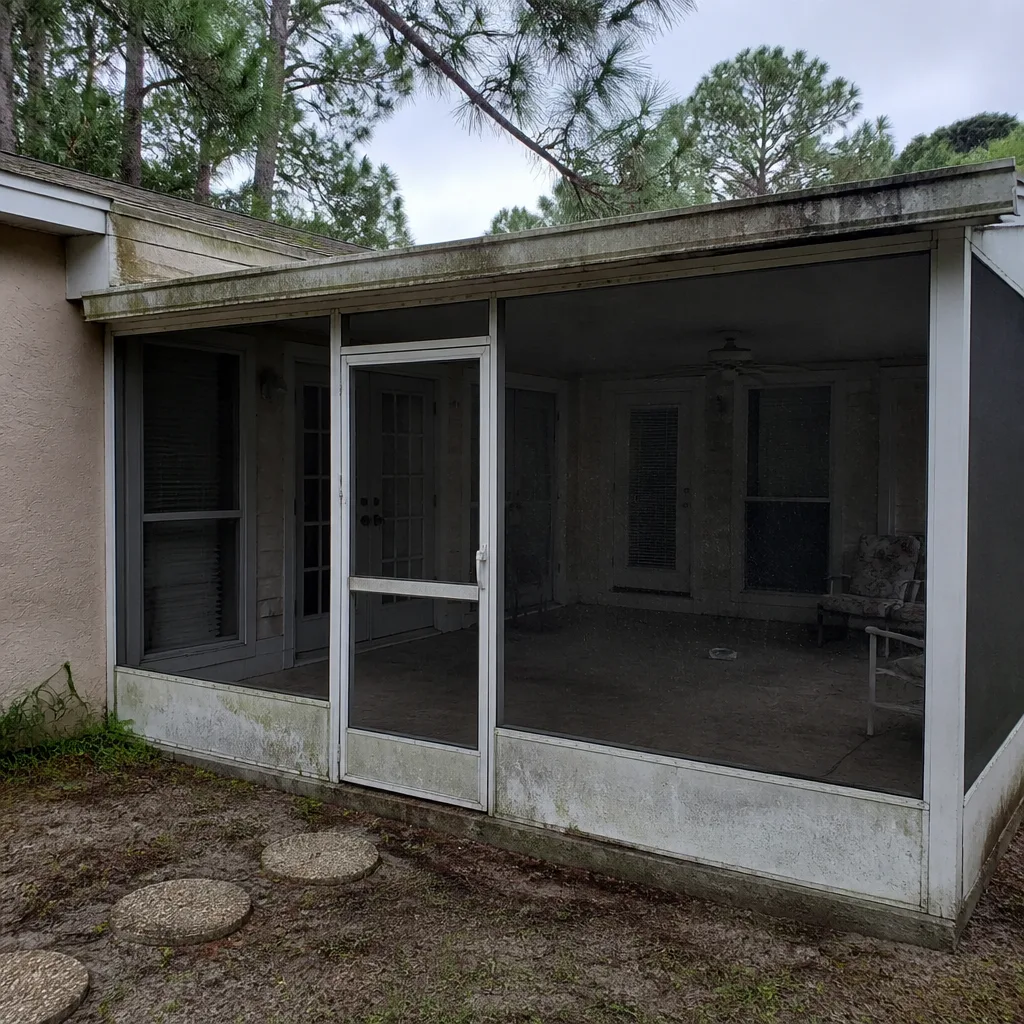 Before
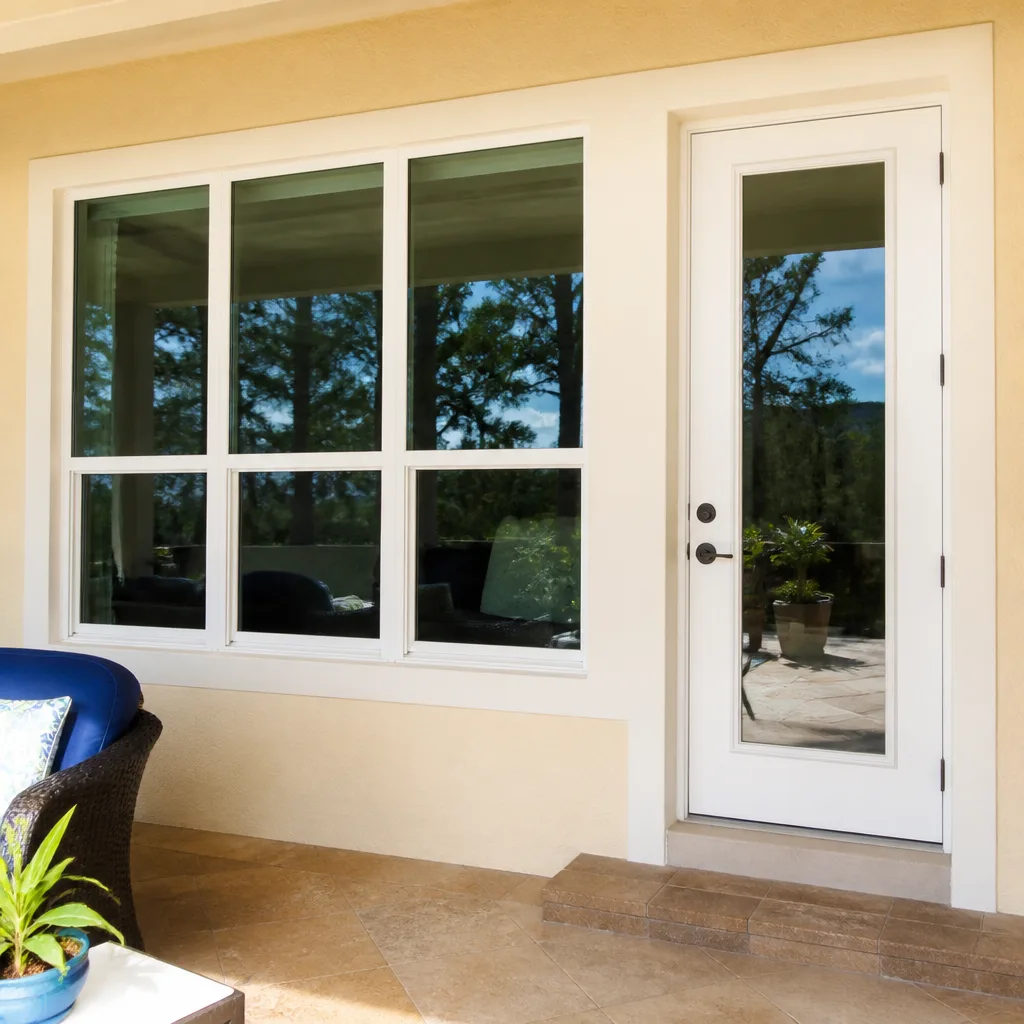 After
AfterSeasonal Windows & Doors Care for Three Lakes: Year-Round Homeowner’s Guide
Most window sealant failures in South Florida are discovered in November - not because the hurricane season caused them, but because dry-season contraction in October and November opens the hairline cracks that storm-season humidity had held shut all summer. In Three Lakes, this pattern repeats predictably enough that a homeowner who understands the two-season calendar can prevent the majority of expensive repairs before they start. This guide replaces generic four-season advice with a South Florida-specific maintenance framework built on the failure patterns we’ve documented across 18,000+ openings since 2012; for more guides & resources, see our blog.
Quick Answer
Window and door maintenance in Three Lakes follows two seasons, not four: a pre-hurricane readiness check each April and a pre-dry-season sealant inspection each October. See our Window Installation Maintenance Checklist for Three Lakes Homeowners for the complete protocol. Proper maintenance costs approximately $180-$420 per year in materials and minor labor, while the average repair invoice for water intrusion or frame corrosion neglected over three years runs $2,800-$6,500. The critical difference between north-facing and south-facing openings in Three Lakes is roughly 40% more annual UV exposure on southern exposures, shortening sealant replacement intervals from 5-6 years to 3-4 years.
Table of Contents
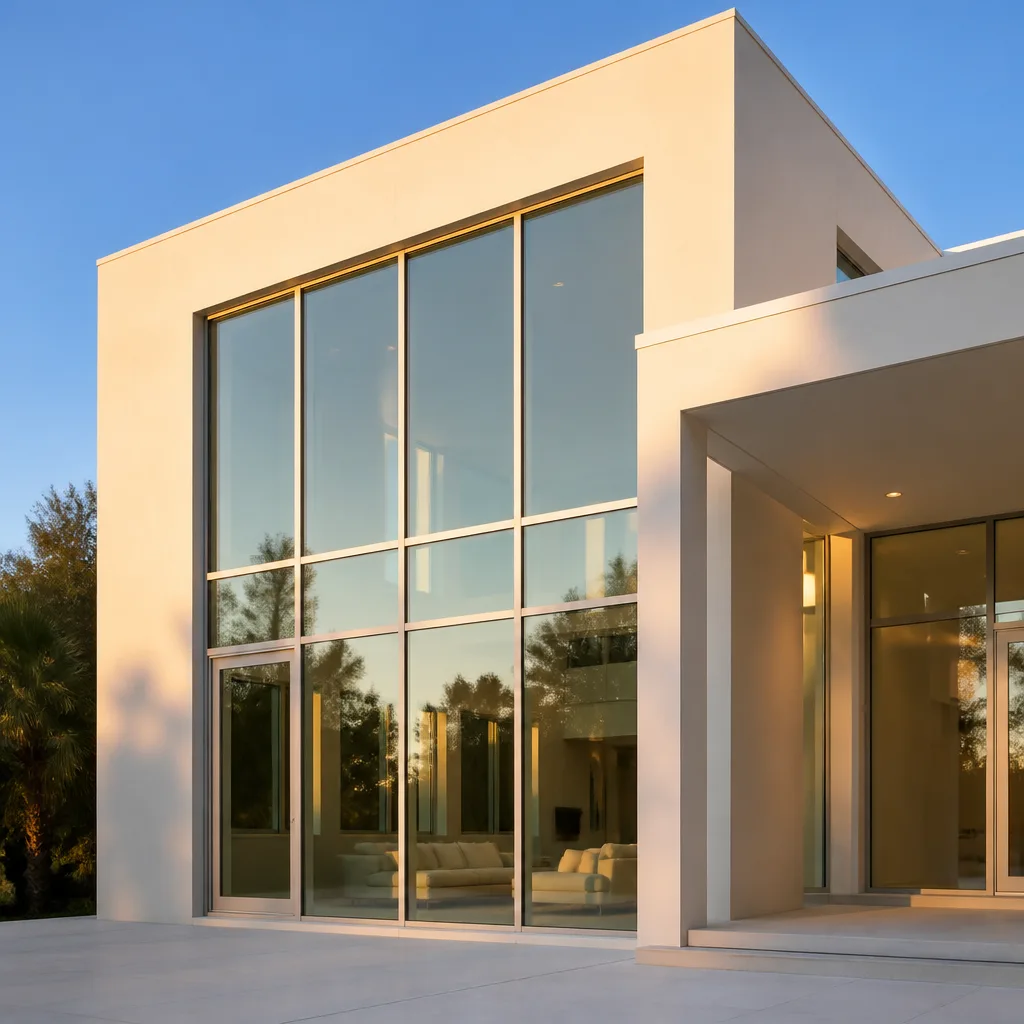
- The Two-Season Maintenance Calendar for Three Lakes
- UV Exposure by Orientation: What Three Lakes Homeowners Should Measure
- Pre-Hurricane-Season Readiness Check for Impact Windows and Doors
- Salt-Air Corrosion by Frame Material: Maintenance Intervals in Coastal South Florida
- Maintenance Cost vs. Repair Cost: A Three-Year Projection
- Common Mistakes to Avoid
- When to Call a Professional
- Frequently Asked Questions
 Before
 After
AfterThe Two-Season Maintenance Calendar for Three Lakes
Four-season maintenance guides fail in South Florida because they assume freeze-thaw cycles, leaf-clogged gutters, and winter air infiltration. None of these apply in Three Lakes. What does apply is a binary climate: six months of wet, high-humidity hurricane season followed by six months of dry, high-UV conditions. Each season creates distinct failure modes, and each requires a specific inspection protocol.
April: Pre-Wet-Season Readiness Check
The April inspection targets operational readiness. Hurricane season begins June 1, but preparation starts earlier because contractor availability compresses as the season approaches. Here’s what to verify:
- Test every operable window and door for full range of motion. Impact-rated units from manufacturers like CWS and ES Windows rely on precise frame alignment to maintain their design pressure rating. If a window sticks in the track, the interlocking meeting rails may not seat correctly under wind load.
- Inspect weep holes for blockage. These small drainage channels at the bottom of the frame allow water that penetrates the exterior seal to exit. In Three Lakes, pollen and mineral deposits from irrigation systems are the most common blockages we find. Clear with a pipe cleaner or compressed air; never seal them.
- Verify weatherstrip compression. Close the sash and attempt to slide a sheet of paper between the sash and frame at multiple points. If it moves freely, the weatherstrip has compressed or shifted. Replacement weatherstrip costs $12-$35 per opening; water damage from a failed seal costs substantially more.
- Check exterior sealant continuity at head, jambs, and sill. Look for gaps, bubbling, or separation from the substrate. South Florida’s summer humidity causes expansion; gaps that seem minor in April can admit driven rain by August.
- Confirm hardware engagement. Multi-point locks on patio doors and casement windows should draw the sash into the frame with even pressure. Uneven engagement indicates frame settlement or hardware wear.
October: Pre-Dry-Season Sealant and Frame Inspection
The October inspection targets the damage that UV and contraction will accelerate. This is when we find the sealant failures that summer humidity had masked.
- Examine sealant beads for hairline cracking. Use raking light - early morning or late afternoon sun at a low angle - to make cracks visible. In Three Lakes, south-facing elevations show cracking 18-24 months earlier than north-facing.
- Check for chalking on vinyl and painted aluminum frames. Chalking is UV degradation of the surface polymer or paint. Wipe with a dark cloth; significant white residue indicates the protective layer is failing.
- Inspect sliding door track rollers for flat spots or corrosion. Dry-season dust and salt residue accelerate wear. A door that rolled smoothly in May may bind by January if rollers are degrading.
- Verify drainage plane continuity at the sill. Remove a small section of exterior trim if accessible, or use a borescope, to confirm that the sill pan or flashing directs water outward. In Three Lakes, we’ve found irrigation misdirection and hardscape settlement commonly compromise this detail.
- Document everything photographically. Date-stamped photos establish a baseline for comparison. The Haven Standard requires this documentation on every professional visit; homeowners should maintain their own parallel record.
The April and October inspections each require approximately 90 minutes for an average Three Lakes home with 12-15 openings. Materials for corrections identified - sealant, weatherstrip, roller assemblies - typically run $180-$420 annually when maintenance is consistent.
UV Exposure by Orientation: What Three Lakes Homeowners Should Measure
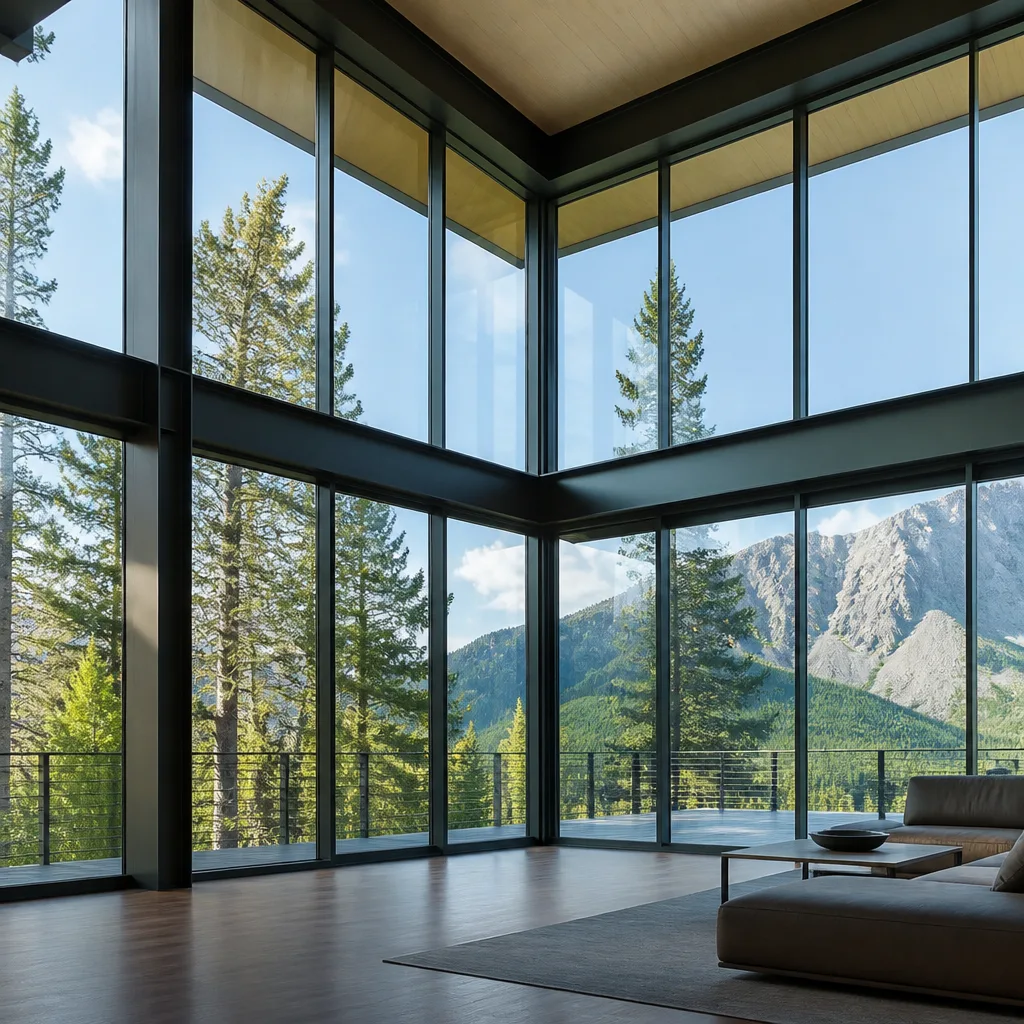
At Three Lakes’ latitude (approximately 25.7°N), the solar geometry creates meaningful differences in cumulative UV exposure that directly affect material lifespan. This is not abstract; it changes maintenance intervals and replacement timing.
A south-facing window in Three Lakes receives approximately 2,200 equivalent sun hours annually at perpendicular incidence. A north-facing window receives roughly 1,300 equivalent sun hours - about 40% less. East and west exposures fall between, with west-facing windows experiencing the most intense single-day peaks due to afternoon thermal loading on already-warmed surfaces.
What this means practically:
- Sealant replacement interval: South-facing sealants in Three Lakes typically require replacement at 3-4 years; north-facing at 5-6 years. Using a UV-stable silicone like Dow Corning 795 or equivalent specified for your frame material extends this by approximately 12 months.
- Vinyl frame color stability: Dark vinyl on south exposures shows noticeable fading at 4-5 years; light colors at 7-8 years. This is cosmetic until the UV stabilizers deplete, at which point the substrate becomes brittle.
- Impact glass interlayer: The PVB or ionoplast interlayer in impact-rated glass from manufacturers like Mr-Glass and ECO Window Systems is protected by the glass itself, but edge exposure at the seal line is vulnerable. South-facing units show edge delamination earlier.
We recommend mapping your home’s exposures and setting calendar reminders by orientation rather than treating all windows identically. A homeowner in the Three Lakes area with mixed exposures can expect to stagger sealant work across two years rather than facing a single large expense.
The measurement method is simple: stand at each opening and note the primary sun exposure. For precision, use a compass app or observe where direct sun enters at solar noon (approximately 1:15 PM EDT in Three Lakes during daylight saving time). Document this in your maintenance log.
Pre-Hurricane-Season Readiness Check for Impact Windows and Doors
Impact-rated windows and doors in Three Lakes are code-required for a reason, but the rating is conditional on proper installation and maintenance. A design pressure rating of +50/-50 PSF means nothing if the frame is no longer secured to the opening or if the glazing bead has separated. The April readiness check should include these specific items for impact units.
What to Look For
Frame-to-wall attachment: Inspect the interior perimeter where the frame meets the wall finish. Look for cracks in the paint or caulk that radiate from the frame corners. These indicate movement between the frame and the structural opening. In wood-frame construction common in Three Lakes homes built 2015-2020, seasonal moisture cycling can loosen fasteners. A crack wider than 1/16 inch warrants professional evaluation.
Glazing bead integrity: The removable vinyl or aluminum strips that retain the glass should seat fully in their grooves. Gaps allow the glass to shift under pressure differential, potentially breaking the seal or, in extreme load, disengaging the retention system. Press along each bead; it should be uniformly seated with no rocking.
Design pressure label legibility: The permanent label affixed to the frame or sash should remain readable. Faded labels don’t affect performance, but they affect code compliance documentation if you sell the home or file an insurance claim. Photograph the label for your records.
Operable hardware on impact-rated casements and awnings: These units depend on multi-point locking to achieve their rated pressure. Test each point; the sash should draw tight against the frame seal without excessive handle force. If one point fails to engage, the entire system’s rating is compromised.
What Each Finding Means Operationally
| Finding | Operational Meaning | Owner Action vs. Contractor Required |
|---|---|---|
| Minor sealant gap at exterior perimeter | Potential water intrusion under sustained wind | Owner: clean and reseal with compatible sealant |
| Weatherstrip compression set | Reduced air and water infiltration resistance | Owner: replace weatherstrip (part numbers often on frame label) |
| Frame-to-wall crack >1/16 inch | Structural attachment may be compromised | Contractor: evaluate fastening and structural integrity |
| Glazing bead gap or rocking | Glass retention compromised under pressure | Contractor: reseat or replace; verify glass engagement |
| Hardware point fails to engage | Locking system not achieving rated pressure | Contractor: adjust or replace hardware; verify frame square |
| Corrosion at frame corners or fasteners | Material degradation reducing section strength | Contractor: evaluate extent; may require component replacement |
The distinction between owner-correctable and contractor-required items matters for both safety and warranty preservation. Self-performing work on impact-rated assemblies without documenting the materials and methods used can complicate future claims. At Sightline, we provide a written scope for any correction, however minor, so the documentation trail remains intact.
Salt-Air Corrosion by Frame Material: Maintenance Intervals in Coastal South Florida
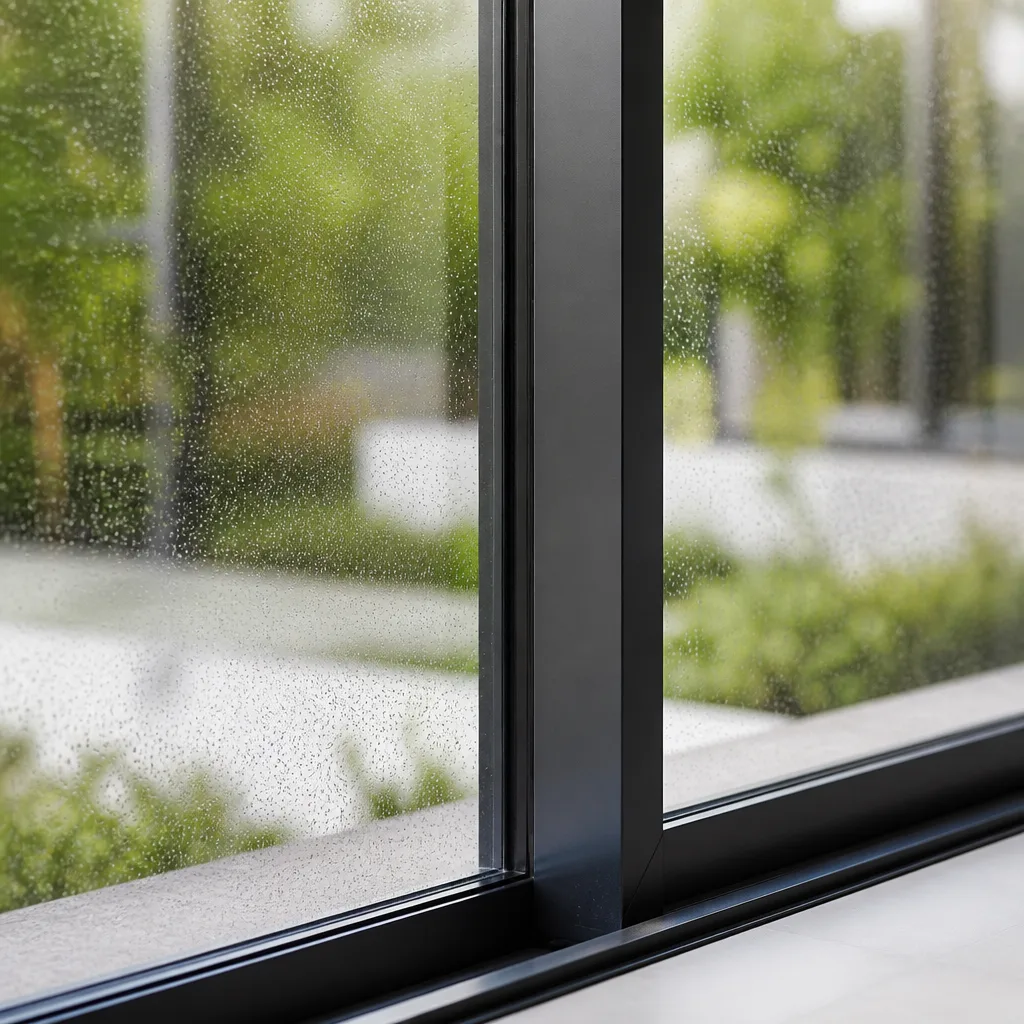
Three Lakes sits approximately 12 miles inland from Biscayne Bay, close enough that salt-laden air reaches residential areas, particularly during onshore flow from the east and southeast. The corrosion progression differs significantly by frame material, and the maintenance intervals should be adjusted accordingly.
Aluminum Frames
Anodized aluminum is the most common frame material for impact-rated products from PGT, CGI, and CWS. The anodized layer provides passive protection, but it’s not impermeable. In Three Lakes, we observe:
- Clear anodized finishes: First visible corrosion at 6-8 years on east-facing exposures, 8-10 years elsewhere. Appears as white powdery deposits at joints and fastener locations.
- Dark anodized finishes: Corrosion is harder to detect visually because the white aluminum oxide contrasts less. Inspect with a flashlight at low angles.
- Painted aluminum: The paint layer extends protection until it’s breached. Once breached, corrosion propagates under the paint film, causing blistering. This is more advanced than it appears.
Maintenance: Wash frames with fresh water quarterly, more frequently if within 5 miles of open water. Avoid pressure washing, which can drive water into joint details. Touch up paint breaches immediately with manufacturer-matched coating.
Vinyl Frames
Vinyl (uPVC) does not corrode, but it degrades through UV-induced polymer chain scission and plasticizer loss. In Three Lakes’ UV environment:
- Surface chalking: Begins at 3-5 years on south-facing, 5-7 years north-facing.
- Impact resistance reduction: The frame becomes more brittle, increasing crack risk from impact or thermal stress.
- Sealant adhesion: Chalked vinyl provides poor substrate for sealant; resealing over chalking without surface preparation guarantees early failure.
Maintenance: Clean with mild detergent annually. Apply a vinyl restorer containing UV inhibitors at first sign of chalking - this is cosmetic preservation, not structural repair. Plan for frame replacement at 15-20 years in high-UV exposures, sooner if impact resistance is critical.
Fiberglass Frames
Fiberglass (pultruded or compression-molded) offers the best salt-air durability but represents a smaller share of the Three Lakes market, primarily in custom applications from manufacturers like Therma-Tru. The gel coat or paint finish is the vulnerability:
- Gel coat chalking: Similar timeline to vinyl, but the substrate remains structurally sound.
- Osmetic blistering: Indicates moisture ingress at a breach; requires prompt repair to prevent fiber degradation.
Maintenance: Annual inspection for finish breaches. Touch-up with compatible marine-grade coating. Fiberglass frames in Three Lakes conditions can exceed 30 years with proper finish maintenance.
Recommended Maintenance Interval Summary
| Material | Inspection Frequency | Active Maintenance | Expected Service Life in Three Lakes Conditions |
|---|---|---|---|
| Anodized aluminum | Quarterly wash, annual detailed inspection | Wash, touch-up paint, fastener inspection | 20-25 years |
| Vinyl (uPVC) | Annual detailed inspection | Clean, UV restorer application, sealant prep | 15-20 years (high UV); 20-25 years (protected) |
| Fiberglass | Annual detailed inspection | Finish breach repair, coating renewal | 30+ years |
Maintenance Cost vs. Repair Cost: A Three-Year Projection
We maintain cost records from every engagement at Sightline, and the pattern is consistent: homeowners who follow a structured maintenance program spend predictably small amounts annually; those who defer maintenance face large, unplanned expenses at 3-5 year intervals. Our Windows & Doors Cost Breakdown: The Three Lakes Homeowner’s Reference for 2026 details these figures.
Annual Maintenance Cost (Proactive)
- DIY materials (sealant, weatherstrip, cleaners, minor hardware): $180-$280
- Professional inspection and minor corrections (optional, every 2-3 years): $200-$350
- Annual average: $250-$420
Typical Repair Invoices (Reactive, Three-Year Accumulation)
These are drawn from actual Sightline invoices in Three Lakes and surrounding Miami-Dade communities, 2022-2024, for homes that had not performed systematic maintenance:
- Water intrusion remediation: Single opening with localized drywall damage: $1,200-$2,800. Multiple openings with subfloor involvement: $4,500-$8,500.
- Frame corrosion repair (aluminum): Localized section replacement: $800-$1,500 per opening. Full frame replacement due to structural compromise: $2,200-$4,500 per opening.
- Impact glass replacement due to seal failure: $1,800-$3,200 per sash, depending on size and interlayer specification.
- Sliding door track and roller replacement: $450-$850 for standard sizes; custom or oversized units higher.
Three-year projection comparison:
| Approach | Year 1 | Year 2 | Year 3 | Three-Year Total |
|---|---|---|---|---|
| Proactive maintenance (DIY + periodic pro) | $320 | $280 | $420 | $1,020 |
| Reactive (typical single major repair in year 2 or 3) | $0 | $0 | $3,200 | $3,200 |
| Reactive (multiple issues, deferred maintenance) | $0 | $1,800 | $4,500 | $6,300 |
The proactive total assumes the homeowner performs the April and October inspections, addresses minor items promptly, and schedules a professional evaluation every third year. The reactive scenarios reflect actual customer histories: zero spending until failure forces action, then concentrated expense.
There’s an additional cost not captured in these numbers: the inconvenience of emergency scheduling during hurricane season, when contractor availability is constrained and prices reflect demand. A homeowner who discovers frame failure in August may wait 3-4 weeks for installation, living with compromised protection through the peak of the storm season.
Common Mistakes to Avoid
- Using interior caulk on exterior seals. Interior acrylic latex caulk lacks the UV resistance and movement capability of exterior-grade silicone or polyurethane. It fails within one season in Three Lakes conditions, often trapping water behind it.
- Pressure washing at close range. The force drives water past weatherstrip and into the frame cavity, where it promotes corrosion and mold growth. It also damages the finish on vinyl and painted aluminum. Use a soft wash method with wide fan tip, minimum 12 inches from surface.
- Ignoring weep holes. Blocking weep holes with caulk or debris is the most common owner error we correct. These holes are part of the engineered drainage system; sealing them converts a minor water penetration into a major accumulation.
- Resealing over dirty or chalked substrates. Sealant adhesion requires clean, sound substrate. Applying new sealant over chalked vinyl or corroded aluminum guarantees early failure. Proper surface preparation adds time but determines lifespan.
- Deferring inspection until after hurricane season. By November, any readiness failures have already been tested by summer storms. The inspection must precede the season, not follow it.
- Assuming impact-rated means maintenance-free. The impact rating addresses wind-borne debris, not seal longevity, hardware wear, or frame corrosion. These units require the same systematic care as conventional products.
- Using incompatible cleaners. Ammonia-based glass cleaners damage some low-E coatings and vinyl finishes. Check manufacturer guidance; when uncertain, use mild dish soap and water.
When to Call a Professional
Some conditions exceed owner-level correction and require documented evaluation. Call a qualified contractor when you find: frame-to-wall separation exceeding 1/16 inch; glazing bead displacement or glass movement in the frame; corrosion that has penetrated beyond surface finish into the substrate; hardware that cannot be adjusted to achieve full engagement; or water staining on interior finishes that indicates ongoing, not historical, intrusion.
These findings affect the structural and protective performance of the assembly. Self-repair without proper materials or documentation can compromise insurance coverage and code compliance.
Window Installation in Three Lakes and Door Installation in Three Lakes by Sightline Windows & Doors Three Lakes includes a measured survey you keep, a written scope that becomes the final invoice, and a documented photo record on every visit. We also offer a free second opinion on any written estimate from another contractor. Call (786) 808-5792 to schedule.
Frequently Asked Questions
A professional inspection and minor maintenance service for an average Three Lakes home with 12-15 openings typically runs $200-$350. This includes operational testing, sealant inspection, hardware adjustment, and a written condition report with photo documentation. Materials for identified corrections are quoted separately with line-item pricing before any work proceeds. Call (786) 808-5792 for an exact quote - estimates are free.
Impact windows in Three Lakes should receive a detailed inspection twice yearly: in April, before hurricane season, and in October, before the dry season. This twice-yearly schedule catches the two distinct failure modes - operational wear before storm demand, and sealant degradation before UV and contraction accelerate it. Manufacturer warranties typically require proof of maintenance for claim validity; the inspection record serves this purpose.
At Sightline, the written quote cannot differ from the measured survey. Haven Clause 1 requires that the price is established before any work starts, and the final invoice matches that document. If concealed damage is discovered during work, we document it, stop, and provide a revised written scope for your approval before proceeding. No surprises means no change orders without explicit authorization.
Yes. At Three Lakes’ latitude, south-facing vertical surfaces receive approximately 40% more equivalent sun hours annually than north-facing. This accelerates UV degradation of organic sealants by a comparable factor. We’ve replaced sealant on south-facing openings at 3 years that remained serviceable on north-facing openings at 6 years in the same home. Orient your maintenance calendar by exposure, not by a single house-wide interval.
The design pressure rating is conditional on proper installation and undamaged components. Visually verify: the frame is securely attached to the opening with no movement; the glazing bead is fully seated; all hardware engages and draws the sash tight; and the permanent label is legible. If any of these conditions fail, the rating is compromised. A professional evaluation with documented findings provides the certainty required for insurance and code compliance purposes.
Yes, with caveats. Maintenance tasks - cleaning, weatherstrip replacement, sealant renewal - are generic. However, warranty coverage may require specific materials or methods; check your original documentation. For impact-rated products, use only sealants and replacement parts compatible with the original manufacturer’s specifications. When in doubt, a professional evaluation preserves documentation and ensures compatibility. Sightline provides free second opinions on any written estimate, including maintenance scopes from other contractors.
The Bottom Line
Window and door maintenance in Three Lakes is not a four-season checklist but a two-season discipline: prepare for hurricane season in April, when operational readiness matters; inspect for UV and contraction damage in October, when dry-season conditions reveal what humidity concealed. The cost of this discipline is modest and predictable - approximately $250-$420 annually. The cost of neglect is concentrated, unplanned, and often arrives at the worst possible time. Map your exposures, set your calendar by orientation, document everything, and know which findings you can address and which require professional evaluation with written documentation.
Call (786) 808-5792 to schedule your free estimate or second-opinion review. Every engagement begins with a measured survey you keep, and the written price before any work starts is the same document that becomes your final invoice.
Written by Sonia Raman, Owner at Sightline Windows & Doors Three Lakes, serving Three Lakes since 2012.